This whole site is vibe-coded.
TIMELINER

History's most surprising connections

Philosophy & Thought

The thinkers who asked the biggest questions about existence, knowledge, morality, and the human condition.
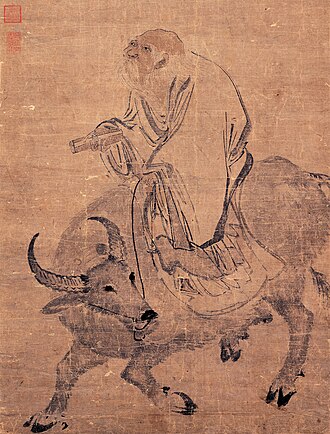
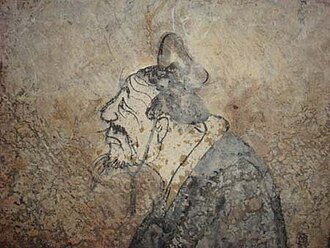
Lao Tzu
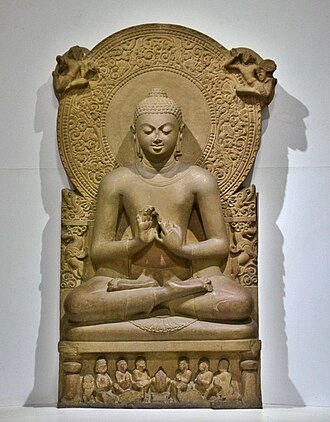
Lao Tzu
571 BCE–471 BCE · Founder of Taoism, author of Tao Te Ching
Gautama Buddha
Gautama Buddha
563 BCE–483 BCE · Founder of Buddhism
Confucius
Confucius
551 BCE–479 BCE · Founder of Confucianism
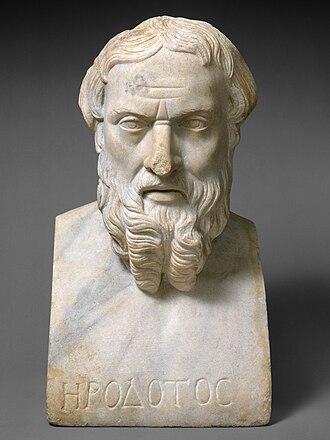
Herodotus
Herodotus
484 BCE–425 BCE · Greek historian, author of the Histories
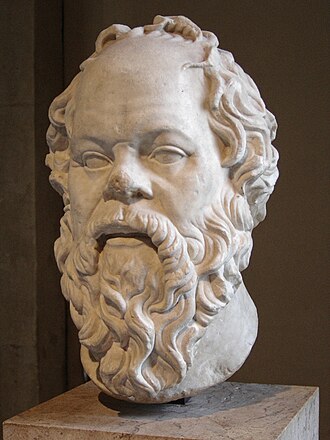
Socrates
Socrates
470 BCE–399 BCE · Founder of Western moral philosophy
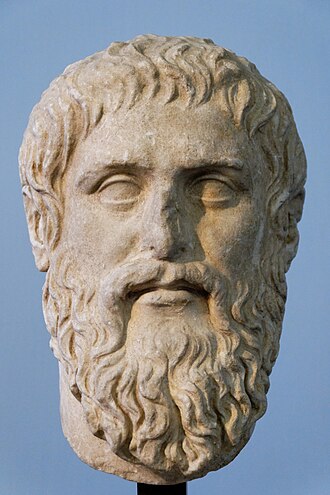
Plato
Plato
428 BCE–348 BCE · Founder of the Academy in Athens
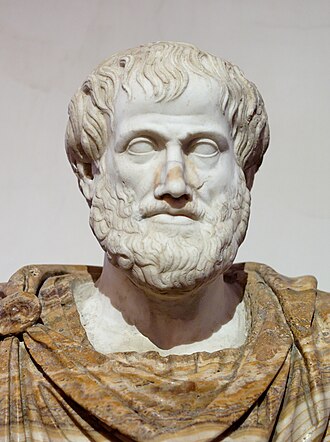
Aristotle
Aristotle
384 BCE–322 BCE · Founder of formal logic, tutor of Alexander the Great
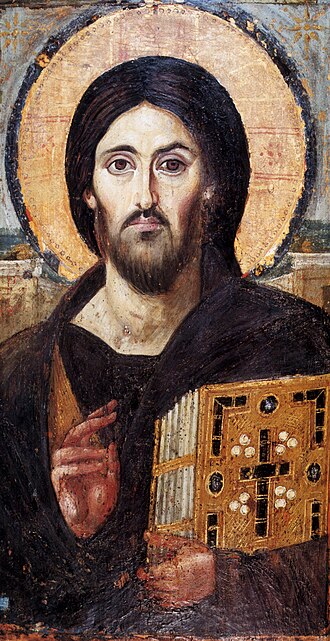
Jesus
Jesus
4 BCE–30 · Central figure of Christianity
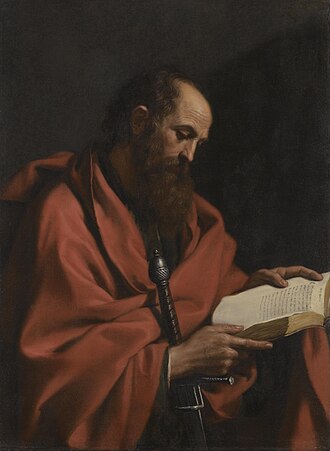
Paul the Apostle
Paul the Apostle
5–65 · Early Christian missionary and letter writer
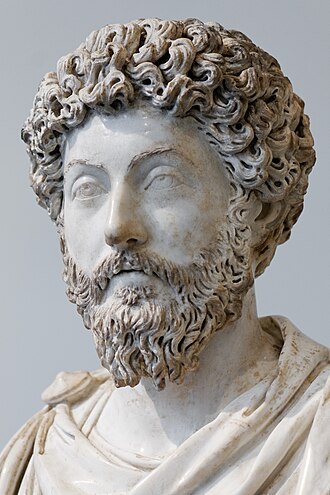
Marcus Aurelius
Marcus Aurelius
121–180 · Roman emperor and Stoic author of the Meditations
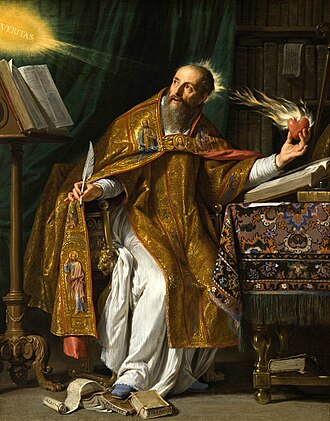
Augustine of Hippo
Augustine of Hippo
354–430 · Theologian, author of Confessions
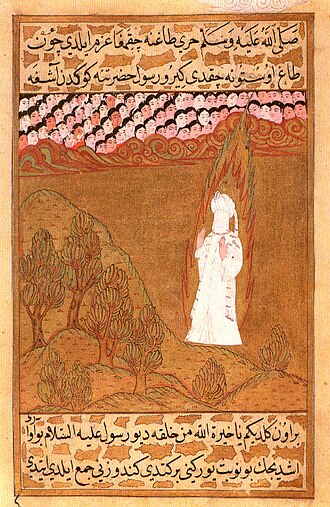
Muhammad
Muhammad
570–632 · Prophet and founder of Islam
A
Ali
599–661 · Cousin of Muhammad and fourth caliph
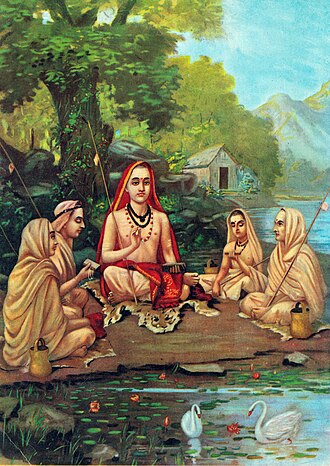
Adi Shankara
Adi Shankara
700–750 · Hindu philosopher of Advaita Vedanta
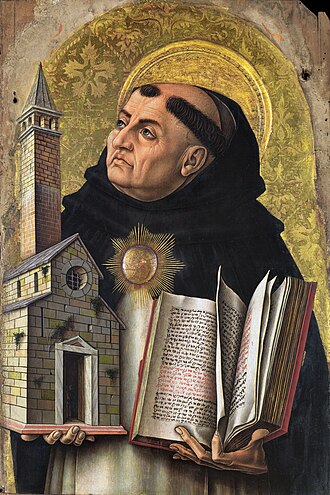
Thomas Aquinas
Thomas Aquinas
1225–1274 · Greatest medieval philosopher and theologian
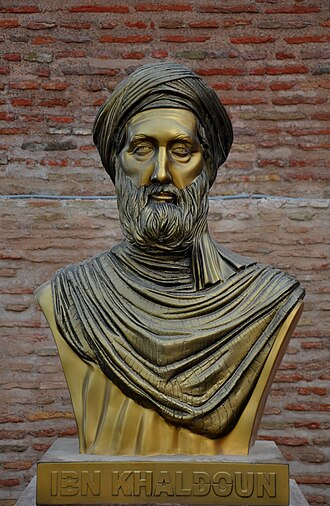
Ibn Khaldun
Ibn Khaldun
1332–1406 · Historian and author of the Muqaddimah
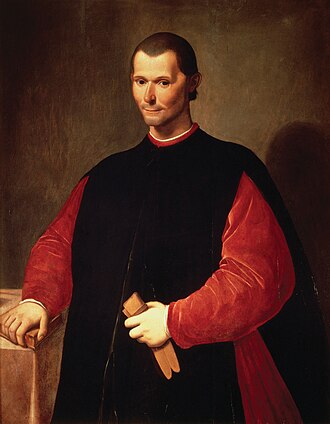
Niccolò Machiavelli
Niccolò Machiavelli
1469–1527 · Author of The Prince
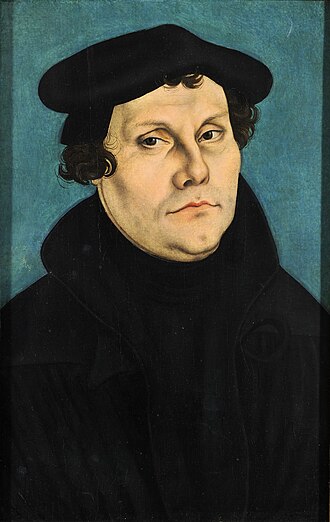
Martin Luther
Martin Luther
1483–1546 · Sparked the Protestant Reformation
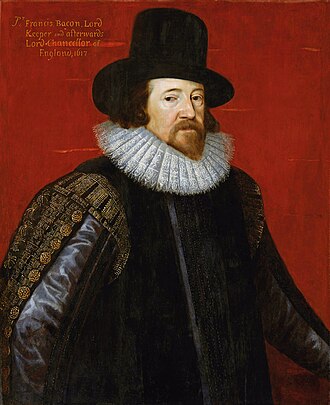
Francis Bacon
Francis Bacon
1561–1626 · Philosopher of the scientific method
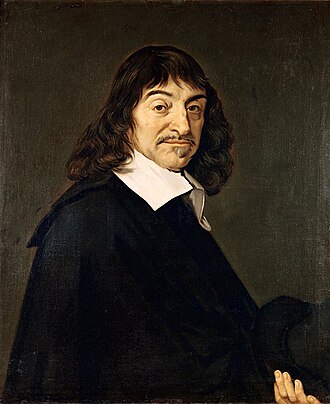
René Descartes
René Descartes
1596–1650 · "I think, therefore I am"
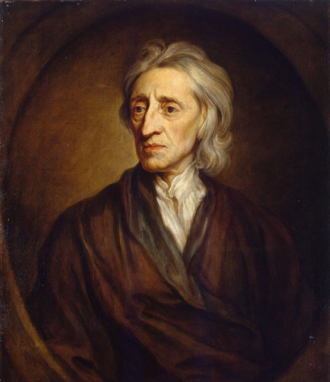
John Locke
John Locke
1632–1704 · Father of liberalism
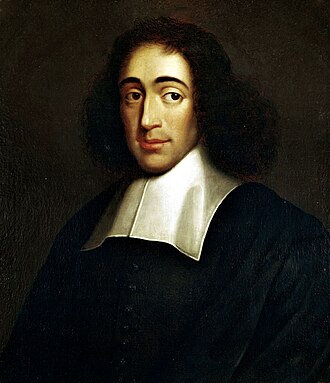
Baruch Spinoza
Baruch Spinoza
1632–1677 · Dutch rationalist philosopher of the Ethics
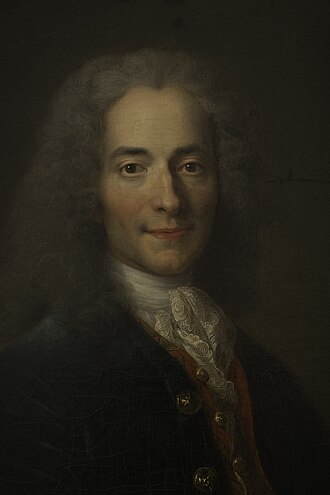
Voltaire
Voltaire
1694–1778 · Enlightenment writer and philosopher
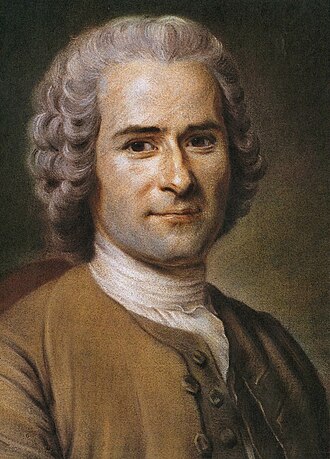
Jean-Jacques Rousseau
1712–1778 · Enlightenment philosopher of The Social Contract
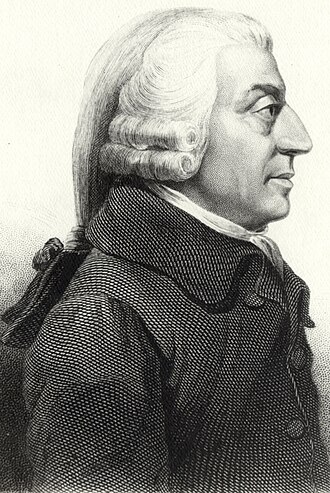
Adam Smith
Adam Smith
1723–1790 · Economist, author of The Wealth of Nations
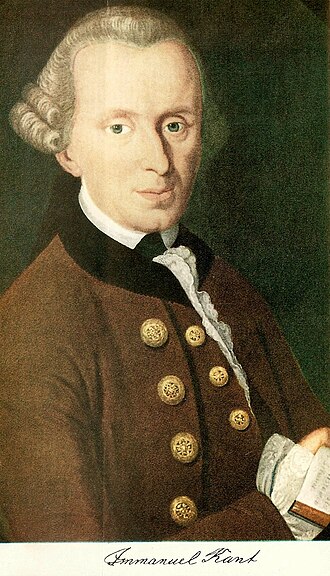
Immanuel Kant
Immanuel Kant
1724–1804 · Critique of Pure Reason
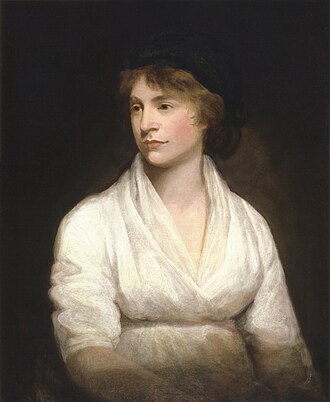
Mary Wollstonecraft
Mary Wollstonecraft
1759–1797 · Vindication of the Rights of Woman, feminist pioneer
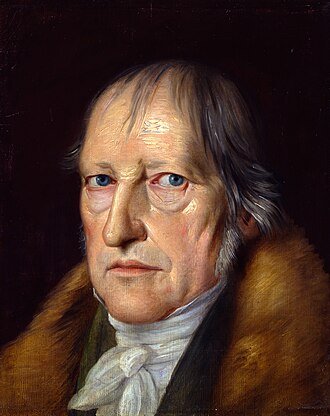
Georg Wilhelm Friedrich Hegel
1770–1831 · German idealist philosopher
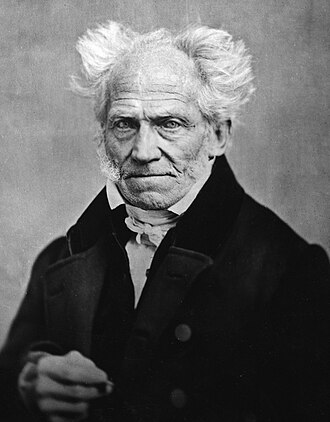
Arthur Schopenhauer
Arthur Schopenhauer
1788–1860 · German philosopher of pessimism
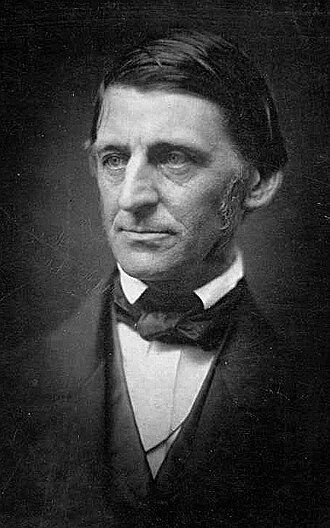
Ralph Waldo Emerson
Ralph Waldo Emerson
1803–1882 · Transcendentalist essayist of Self-Reliance
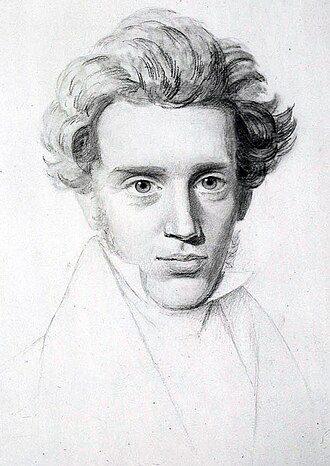
Søren Kierkegaard
Søren Kierkegaard
1813–1855 · Danish philosopher, father of existentialism
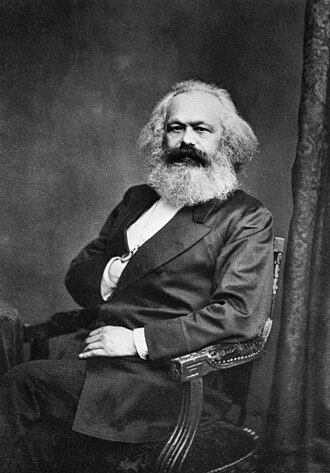
Karl Marx
Karl Marx
1818–1883 · Das Kapital, Communist Manifesto
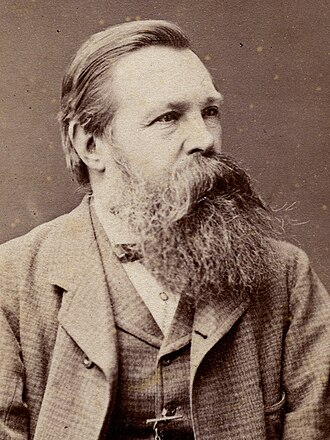
Friedrich Engels
Friedrich Engels
1820–1895 · Co-author of The Communist Manifesto with Marx
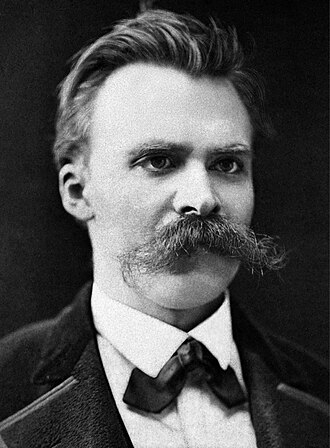
Friedrich Nietzsche
Friedrich Nietzsche
1844–1900 · "God is dead," Beyond Good and Evil
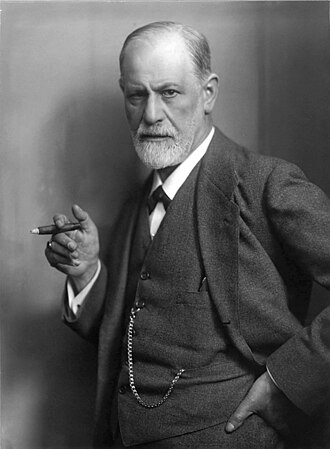
Sigmund Freud
Sigmund Freud
1856–1939 · Father of psychoanalysis
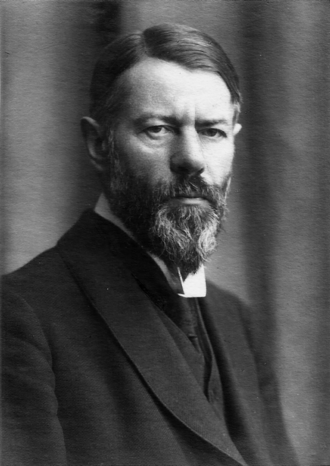
Max Weber
Max Weber
1864–1920 · A founder of modern sociology
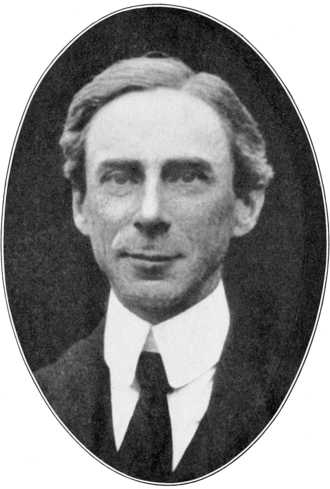
Bertrand Russell
Bertrand Russell
1872–1970 · Logician, philosopher and Nobel laureate
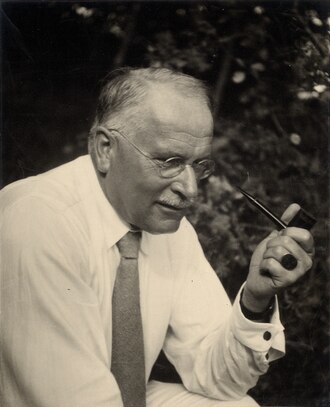
Carl Jung
Carl Jung
1875–1961 · Analytical psychology, archetypes
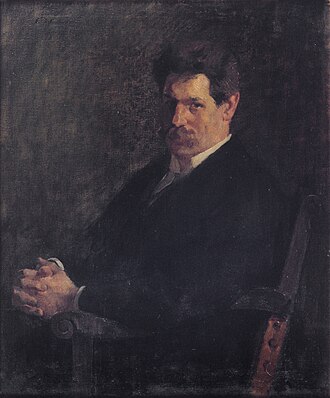
Albert Schweitzer
Albert Schweitzer
1875–1965 · Nobel Peace Prize physician, theologian and organist
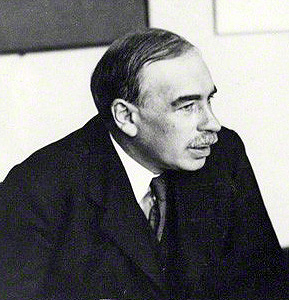
John Maynard Keynes
John Maynard Keynes
1883–1946 · Economist who founded Keynesian economics
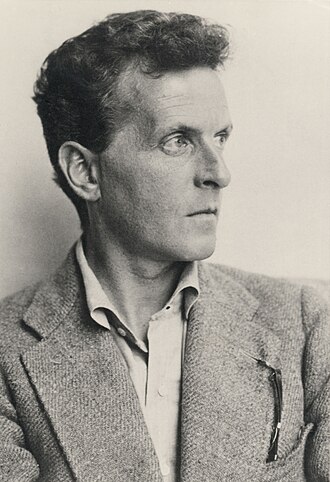
Ludwig Wittgenstein
Ludwig Wittgenstein
1889–1951 · Philosopher of logic and language
Jean-Paul Sartre
Jean-Paul Sartre
1905–1980 · Existentialism, declined the Nobel Prize
Hannah Arendt
Hannah Arendt
1906–1975 · The Banality of Evil, political theorist
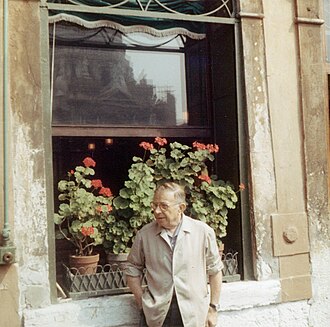
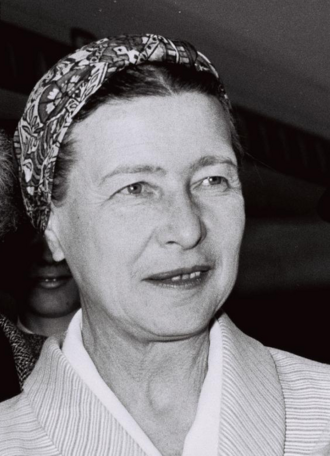
Simone de Beauvoir
Simone de Beauvoir
1908–1986 · The Second Sex, feminist existentialist
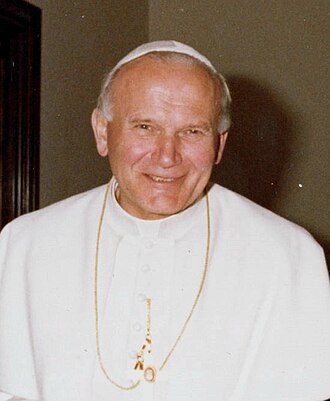
Pope John Paul II
Pope John Paul II
1920–2005 · First Polish pope, led the Catholic Church 1978–2005
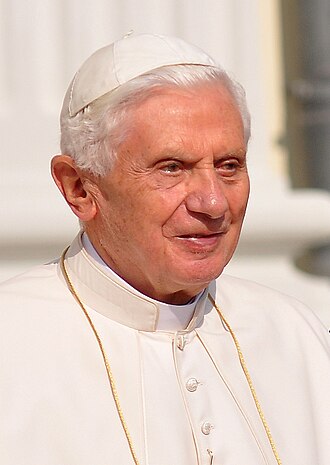
Pope Benedict XVI
Pope Benedict XVI
1927–2022 · Pope from 2005 until his resignation in 2013
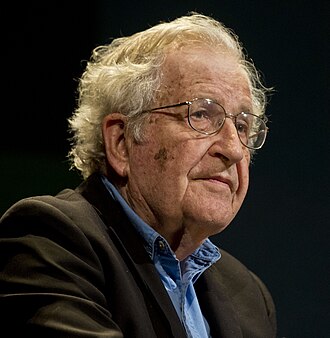
Noam Chomsky
Noam Chomsky
1928–present · Father of modern linguistics, political activist
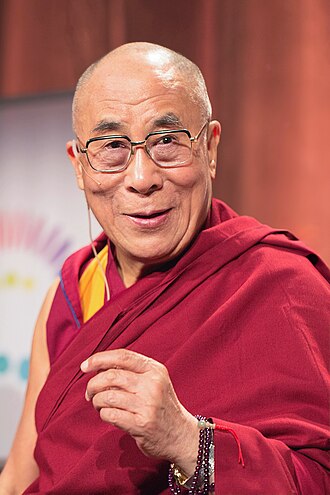
Dalai Lama
Dalai Lama
1935–present · Tibetan spiritual leader, Nobel Peace Prize
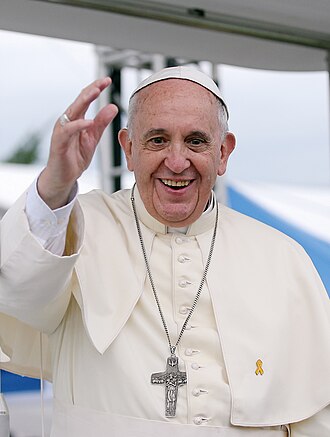
Pope Francis
Pope Francis
1936–2025 · First pope from the Americas
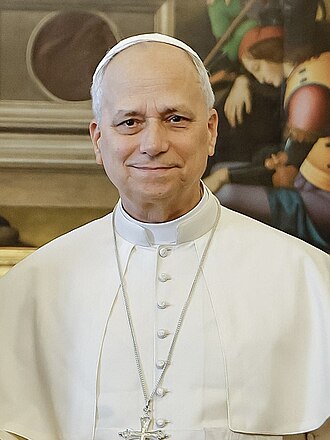
Pope Leo XIV
Pope Leo XIV
1955–present · First pope from the United States

Key Events in Philosophy & Thought

Sources

  1. Laozi — Wikipedia
  2. The Buddha — Wikipedia
  3. Confucius — Wikipedia
  4. Herodotus — Wikipedia
  5. Socrates — Wikipedia
  6. Plato — Wikipedia
  7. Aristotle — Wikipedia
  8. Jesus — Wikipedia
  9. Paul the Apostle — Wikipedia
  10. Marcus Aurelius — Wikipedia
  11. Augustine of Hippo — Wikipedia
  12. Muhammad — Wikipedia
  13. Ali — Wikipedia
  14. Adi Shankara — Wikipedia
  15. Thomas Aquinas — Wikipedia
  16. Ibn Khaldun — Wikipedia
  17. Niccolò Machiavelli — Wikipedia
  18. Martin Luther — Wikipedia
  19. Francis Bacon — Wikipedia
  20. René Descartes — Wikipedia
  21. John Locke — Wikipedia
  22. Baruch Spinoza — Wikipedia
  23. Voltaire — Wikipedia
  24. Jean-Jacques Rousseau — Wikipedia
  25. Adam Smith — Wikipedia
  26. Immanuel Kant — Wikipedia
  27. Mary Wollstonecraft — Wikipedia
  28. Georg Wilhelm Friedrich Hegel — Wikipedia
  29. Arthur Schopenhauer — Wikipedia
  30. Ralph Waldo Emerson — Wikipedia
  31. Søren Kierkegaard — Wikipedia
  32. Karl Marx — Wikipedia
  33. Friedrich Engels — Wikipedia
  34. Friedrich Nietzsche — Wikipedia
  35. Sigmund Freud — Wikipedia
  36. Max Weber — Wikipedia
  37. Bertrand Russell — Wikipedia
  38. Carl Jung — Wikipedia
  39. Albert Schweitzer — Wikipedia
  40. John Maynard Keynes — Wikipedia
  41. Ludwig Wittgenstein — Wikipedia
  42. Jean-Paul Sartre — Wikipedia
  43. Hannah Arendt — Wikipedia
  44. Simone de Beauvoir — Wikipedia
  45. Pope John Paul II — Wikipedia
  46. Pope Benedict XVI — Wikipedia
  47. Noam Chomsky — Wikipedia
  48. 14th Dalai Lama — Wikipedia
  49. Pope Francis — Wikipedia
  50. Pope Leo XIV — Wikipedia