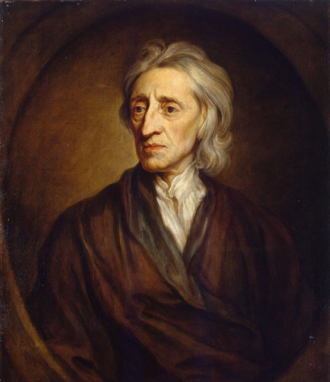
Fun Facts About John Locke
- John Locke was a trained physician. He probably helped persuade the statesman Lord Shaftesbury to undergo risky surgery, and Shaftesbury credited Locke with saving his life.[1]
- One passage from Locke's Second Treatise, the phrase "long train of abuses", is reproduced verbatim in the Declaration of Independence.[1][3][4]
- During his political exile in the Netherlands, Locke lived under a variety of aliases, one of them Dr. Van Linden, and feared arrest and extradition.[1]
- Locke's Two Treatises of Government and A Letter Concerning Toleration were published anonymously. Only the Essay Concerning Human Understanding carried his name.[1]
- Although Locke wrote against slavery in general, he was briefly an investor in the slave-trading Royal Africa Company.[1]
- Voltaire called him "le sage Locke", and by his death Locke had collected a library of more than 3,000 books.[1][5][6]
- John Locke was alive at the same time as Peter Paul Rubens — their lives overlapped for 8 years (1632–1640).[1][2][7][8]
- John Locke shares a birthday with Michael Jackson: both were born on August 29.[1][2][9][10]
John Locke was an English philosopher and physician, widely regarded as one of the most influential of the Enlightenment thinkers and commonly known as the "father of liberalism". His important works include A Letter Concerning Toleration (1689), Two Treatises of Government (1689/90), both published anonymously, and An Essay Concerning Human Understanding (1689/90). His writing on toleration contends that religion is a matter for the individual and that the churches are voluntary associations, ruling out religious coercion and uniformity; these lead to the idea of separation of church and state. His Two Treatises on Government argues for government based on the consent of the governed and the right to revolt against tyrannous government, which has lost consent. The Two Treatises had a direct influence on the language that Thomas Jefferson chose in his drafting the July 1776 Declaration of Independence during the American Revolution.[1]
Read more on Wikipedia →Contemporaries
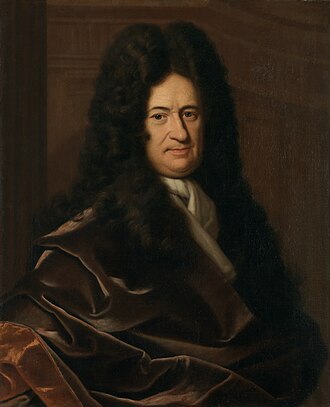
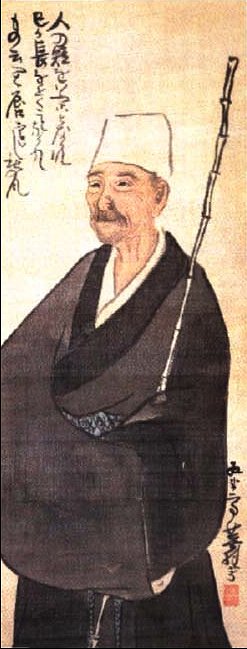
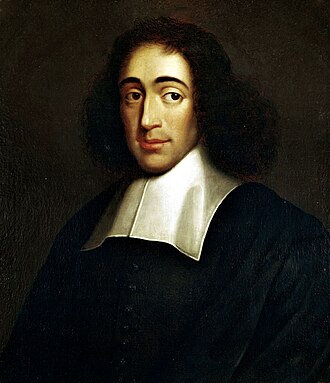
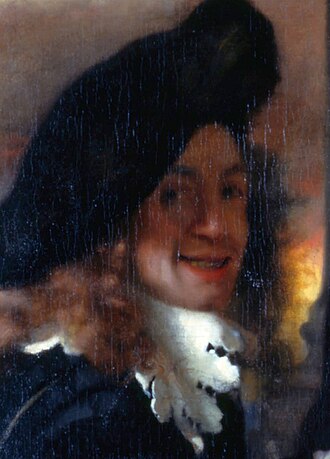
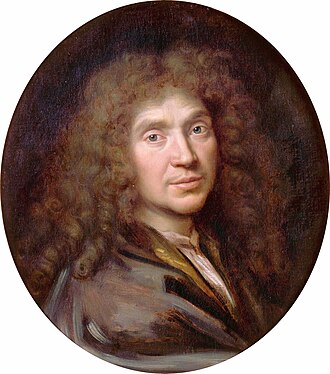
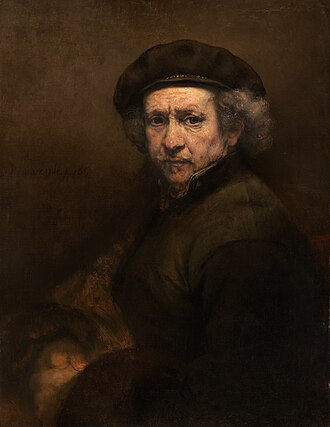
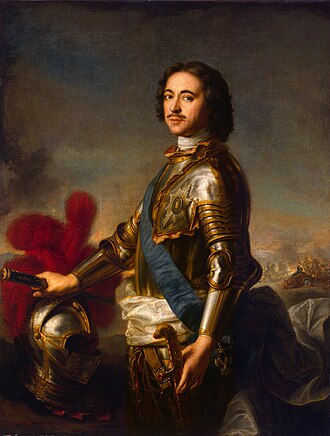
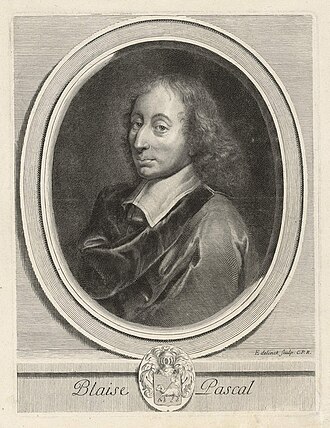
Their World
Questions About John Locke
When was John Locke born?
John Locke was born on August 29, 1632, and died on October 28, 1704.
How old was John Locke at death?
John Locke was born on August 29, 1632, and died on October 28, 1704, at age 72.
What was John Locke known for?
John Locke was known for: Father of liberalism. John Locke was an English philosopher and physician, widely regarded as one of the most influential of the Enlightenment thinkers and commonly known as the "father of liberalism". His important works include A Letter Concerning Toleration (1689), Two Treatises of Government (1689/90), both published anonymously, and An Essay Concerning Human Understanding (1689/90). His writing on toleration contends that religion is a matter for the individual and that the churches are voluntary associations, ruling out religious coercion and uniformity; these lead to the idea of separation of church and state. His Two Treatises on Government argues for government based on the consent of the governed and the right to revolt against tyrannous government, which has lost consent. The Two Treatises had a direct influence on the language that Thomas Jefferson chose in his drafting the July 1776 Declaration of Independence during the American Revolution.
Who was alive at the same time as John Locke?
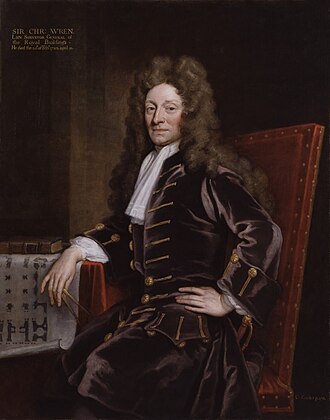
John Locke's closest contemporary was Christopher Wren. Their lives overlapped for 72 years.
Sources
- John Locke — Wikipedia. Text available under CC BY-SA 4.0
- John Locke (Q9353) — Wikidata
- Thomas Jefferson — Wikipedia
- Thomas Jefferson (Q11812) — Wikidata
- Voltaire — Wikipedia
- Voltaire (Q9068) — Wikidata
- Peter Paul Rubens — Wikipedia
- Peter Paul Rubens (Q5599) — Wikidata
- Michael Jackson — Wikipedia
- Michael Jackson (Q2831) — Wikidata
- Portrait: JohnLocke.png — Wikimedia Commons. Godfrey Kneller, Public domain