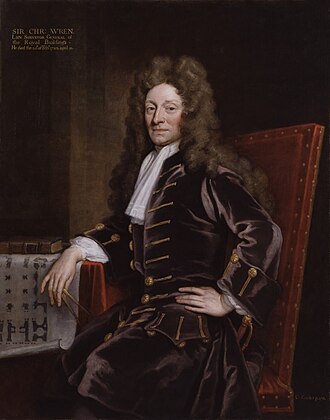
Fun Facts About Christopher Wren
- Christopher Wren set the challenge that led to Newton's Principia, offering Halley and Hooke a book worth thirty shillings for a theory linking Kepler's laws to a force law.[1][3][4][5][6]
- Before turning to architecture, Wren was a professor of astronomy and performed the first successful injection of a substance into the bloodstream, of a dog.[1]
- To speed up work on St Paul's Cathedral, Parliament withheld half of Wren's salary for 14 years, paying it only when the cathedral was declared complete in 1711.[1]
- Wren's tomb inscription in St Paul's includes Latin words that translate as "Reader, if you seek his monument, look around you."[1]
- Wren's only trip abroad was to Paris in 1665, where he met the great sculptor and architect Gian Lorenzo Bernini.[1]
- Wren disliked the term "Gothic" and preferred "Saracenic," believing the style had been adapted from Islamic architecture after the Crusades.[1]
- Christopher Wren was alive at the same time as Jean-Jacques Rousseau — their lives overlapped for 11 years (1712–1723).[1][2][7][8]
- Christopher Wren shares a birthday with Kamala Harris: both were born on October 20.[1][2][9][10]
Sir Christopher Wren FRS was an English architect, astronomer, mathematician and physicist who is one of the most highly acclaimed architects in the history of England. Known for his work in the English Baroque style, he was accorded responsibility for rebuilding 52 churches in the City of London after the Great Fire in 1666, including what is regarded as his masterpiece, St Paul's Cathedral, on Ludgate Hill, completed in 1710.[1]
Read more on Wikipedia →Contemporaries
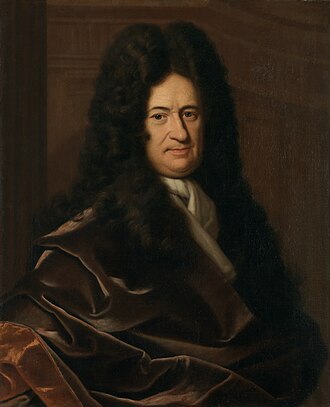
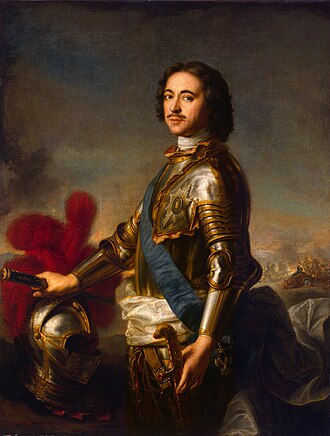
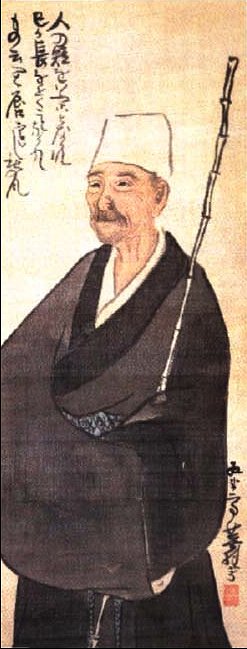
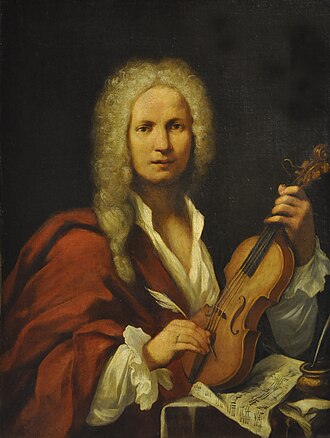
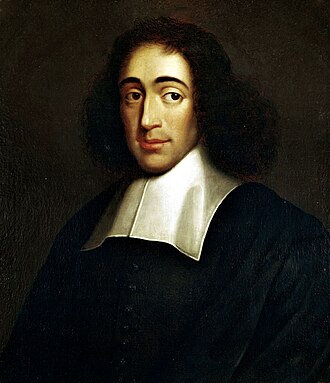
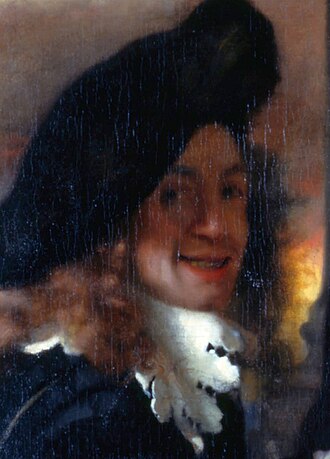
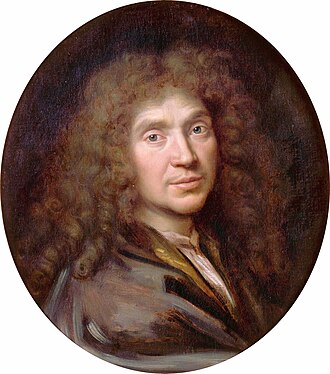
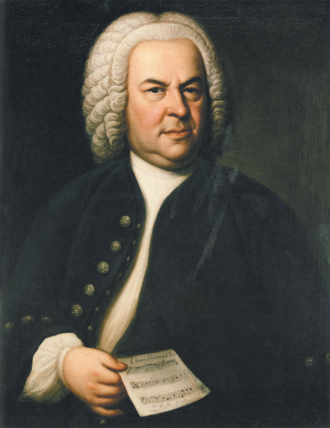
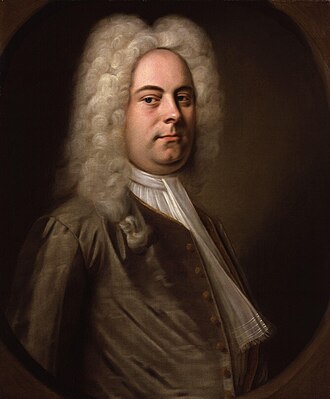
Their World
Questions About Christopher Wren
When was Christopher Wren born?
Christopher Wren was born on October 20, 1632, and died on February 25, 1723.
How old was Christopher Wren at death?
Christopher Wren was born on October 20, 1632, and died on February 25, 1723, at age 90.
What was Christopher Wren known for?
Christopher Wren was known for: Architect of St Paul's Cathedral. Sir Christopher Wren FRS was an English architect, astronomer, mathematician and physicist who is one of the most highly acclaimed architects in the history of England. Known for his work in the English Baroque style, he was accorded responsibility for rebuilding 52 churches in the City of London after the Great Fire in 1666, including what is regarded as his masterpiece, St Paul's Cathedral, on Ludgate Hill, completed in 1710.
Who was alive at the same time as Christopher Wren?
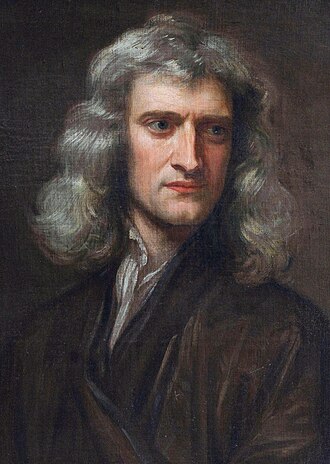
Christopher Wren's closest contemporary was Isaac Newton. Their lives overlapped for 80 years.
Sources
- Christopher Wren — Wikipedia. Text available under CC BY-SA 4.0
- Christopher Wren (Q170373) — Wikidata
- Isaac Newton — Wikipedia
- Isaac Newton (Q935) — Wikidata
- Johannes Kepler — Wikipedia
- Johannes Kepler (Q8963) — Wikidata
- Jean-Jacques Rousseau — Wikipedia
- Jean-Jacques Rousseau (Q6527) — Wikidata
- Kamala Harris — Wikipedia
- Kamala Harris (Q10853588) — Wikidata
- Portrait: Christopher Wren by Godfrey Kneller 1711.jpg — Wikimedia Commons. Godfrey Kneller, Public domain