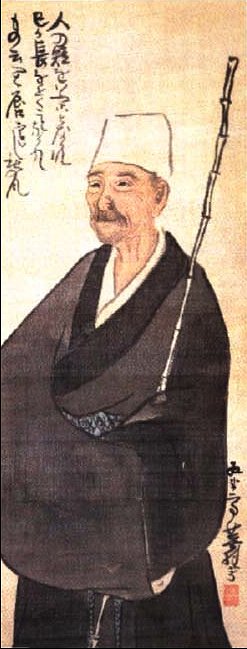
Fun Facts About Matsuo Bashō
- Matsuo Bashō took his pen name from a banana tree: his disciples planted a Japanese banana tree, or bashō, beside the rustic hut they built for him.[3]
- Bashō never called his poems haiku. The critic Masaoka Shiki invented the term in the late 19th century to replace the older word hokku.[3]
- Bashō thought his best work was not his famous short poems but linked verse written with others: "Where I show who I really am is in linking haikai verses."[3]
- On the 150-day journey behind The Narrow Road to the Deep North, Bashō traveled about 2,400 km. The book was published only after his death, in 1702.[3]
- In 1793 Bashō was deified by the Shinto bureaucracy, and for a time criticizing his poetry was literally blasphemous.[3]
- A crater on the planet Mercury is named after Bashō, and the Haiseiden building in Iga, his home province, was made to resemble his face and clothing.[3]
- Matsuo Bashō was alive at the same time as René Descartes — their lives overlapped for 6 years (1644–1650).[1][2][4][5]
- Matsuo Bashō and Enrico Fermi died on the same day of the year, November 28.[1][2][6][7]
Matsuo Bashō ; born Matsuo Kinsaku , later known as Matsuo Chūemon Munefusa was the most famous Japanese poet of the Edo period. During his lifetime, Bashō was recognized for his works in the collaborative haikai no renga form; today, after centuries of commentary, he is recognized as the greatest master of haiku. He is also well known for his travel essays beginning with Records of a Weather-Exposed Skeleton (1684), written after his journey west to Kyoto and Nara.[1]
Read more on Wikipedia →Contemporaries
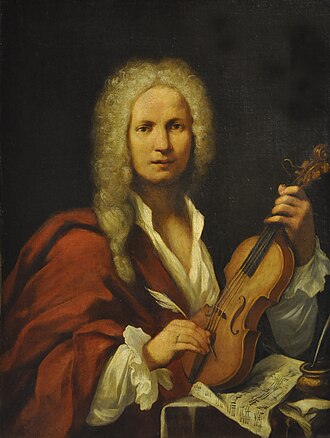
Their World
Questions About Matsuo Bashō
When was Matsuo Bashō born?
Matsuo Bashō was born in 1644 and died on November 28, 1694.
How old was Matsuo Bashō at death?
Matsuo Bashō died in 1694 at about 50 years old (1644–1694).
What was Matsuo Bashō known for?
Matsuo Bashō was known for: Japanese master of haiku. Matsuo Bashō ; born Matsuo Kinsaku , later known as Matsuo Chūemon Munefusa was the most famous Japanese poet of the Edo period. During his lifetime, Bashō was recognized for his works in the collaborative haikai no renga form; today, after centuries of commentary, he is recognized as the greatest master of haiku. He is also well known for his travel essays beginning with Records of a Weather-Exposed Skeleton (1684), written after his journey west to Kyoto and Nara.
Who was alive at the same time as Matsuo Bashō?
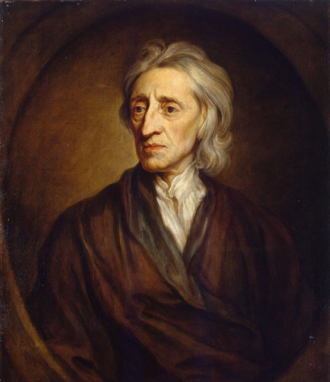
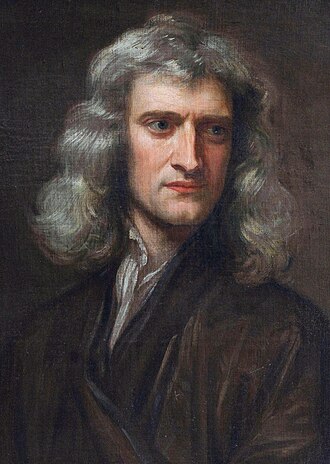
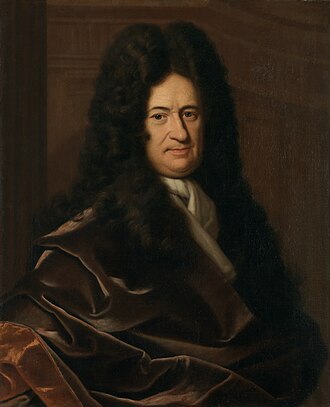
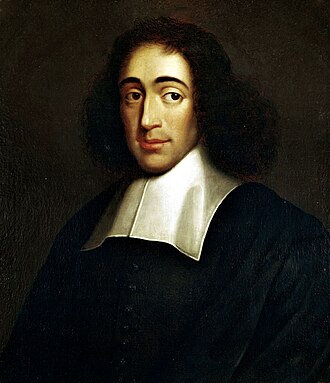
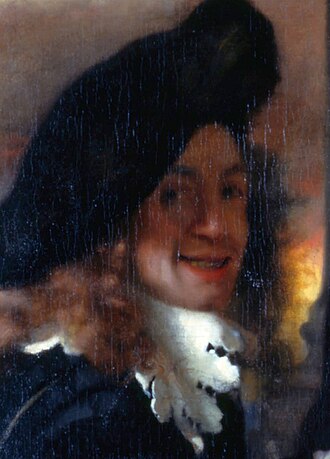
Matsuo Bashō's closest contemporary was John Locke. Their lives overlapped for 50 years.
Sources
- Matsuo Bashō — Wikipedia. Text available under CC BY-SA 4.0
- Matsuo Bashō (Q5676) — Wikidata
- Matsuo Bashō — Wikipedia
- René Descartes — Wikipedia
- René Descartes (Q9191) — Wikidata
- Enrico Fermi — Wikipedia
- Enrico Fermi (Q8753) — Wikidata
- Portrait: Basho by Buson.jpg — Wikimedia Commons. unknown, Public domain