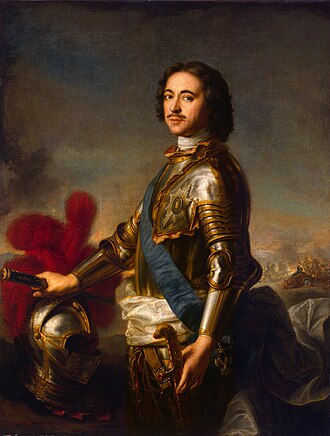
Fun Facts About Peter the Great
- Peter the Great toured Western Europe "incognito" under a fake name, but at a reported 6 ft 8 in he was far taller than most people and fooled no one.[1]
- Peter ordered Russian courtiers to shave their long beards. Nobles who wanted to keep theirs had to pay an annual beard tax of 100 rubles.[1]
- To learn shipbuilding, the tsar spent four months gaining practical experience at a Dutch East India Company shipyard.[1]
- In 1698, Peter arrived at Victoria Embankment with a cook, a priest, six trumpeters, 70 soldiers, four dwarfs, and a monkey he had bought in Amsterdam.[1]
- At 18, Peter founded the All-Joking, All-Drunken Synod of Fools and Jesters, a group that mocked the Orthodox and Catholic churches.[1]
- According to legend, Peter waded into icy water to rescue drowning soldiers, and the rescue is said to have worsened his bladder problems and caused his death.[1]
- Peter the Great was alive at the same time as Adam Smith — their lives overlapped for 2 years (1723–1725).[1][2][3][4]
- Peter the Great lived to about 53, from 1672 until 1725.[1][2]
Peter I was the Tsar of all Russia from 1682 and the first Emperor of Russia from 1721 until his death in 1725. He reigned jointly with his half-brother Ivan V until 1696. Peter, as an autocrat, organized a well-ordered police state.[1]
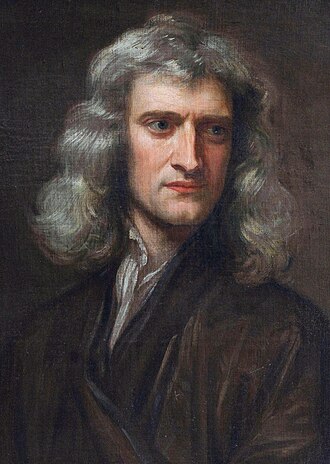
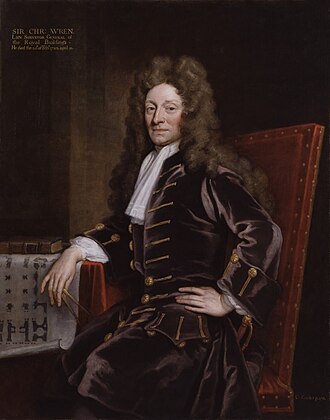
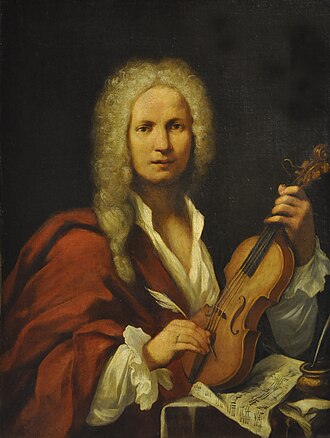
Read more on Wikipedia →Contemporaries
Their World
Questions About Peter the Great
When was Peter the Great born?
Peter the Great was born on June 9, 1672, and died on February 8, 1725.
How old was Peter the Great at death?
Peter the Great was born on June 9, 1672, and died on February 8, 1725, at age 52.
What was Peter the Great known for?
Peter the Great was known for: Tsar who modernized Russia. Peter I was the Tsar of all Russia from 1682 and the first Emperor of Russia from 1721 until his death in 1725. He reigned jointly with his half-brother Ivan V until 1696. Peter, as an autocrat, organized a well-ordered police state.
Who was alive at the same time as Peter the Great?
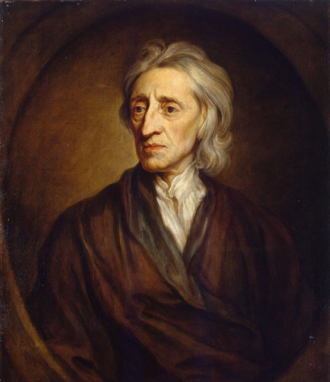
Peter the Great's closest contemporary was Isaac Newton. Their lives overlapped for 53 years.
Sources
- Peter the Great — Wikipedia. Text available under CC BY-SA 4.0
- Peter the Great (Q8479) — Wikidata
- Adam Smith — Wikipedia
- Adam Smith (Q9381) — Wikidata
- Portrait: Inconnu d'après J.-M. Nattier, Portrait de Pierre Ier (musée de l’Ermitage).jpg — Wikimedia Commons. Attributed to Jean-Marc Nattier, Public domain