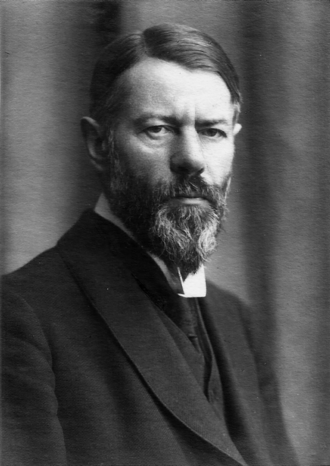
Fun Facts About Max Weber
- Max Weber, a founder of modern sociology, saw himself primarily as an economist, and all of his professorial appointments were in economics.[1]
- Weber gave the state its classic definition: an entity with a monopoly on the legitimate use of force within a given area.[1]
- When the Russian Revolution of 1905 broke out, Weber learned Russian in a few months so he could read Russian newspapers.[1]
- After World War I, Weber advised the drafting of the Weimar Constitution, but he lost his own run for a seat in the National Assembly in 1919.[1]
- Weber's magnum opus, Economy and Society, was largely unfinished when he died. His widow, Marianne, organized and edited it for publication.[1]
- Max Weber was alive at the same time as Michael Faraday — their lives overlapped for 3 years (1864–1867).[1][2][3][4]
- Max Weber shares a birthday with Elizabeth II: both were born on April 21.[1][2][5][6]
- Max Weber lived to about 56, from 1864 until 1920.[1][2]
Maximilian Carl Emil Weber was a German sociologist, historian, jurist, and political economist who was one of the central figures in the development of sociology and the social sciences more generally. His ideas continue to influence social theory and research.[1]
Read more on Wikipedia →Contemporaries
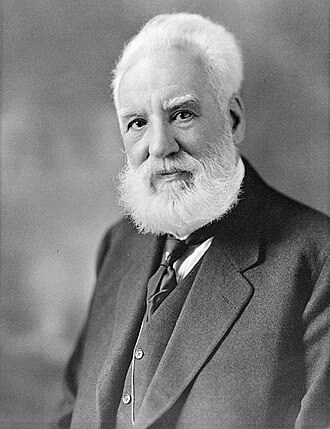
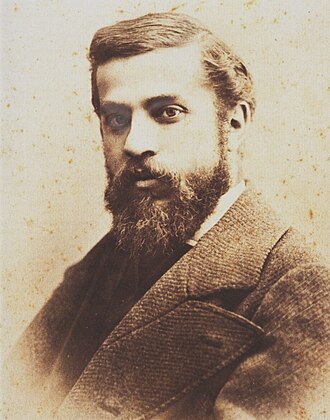
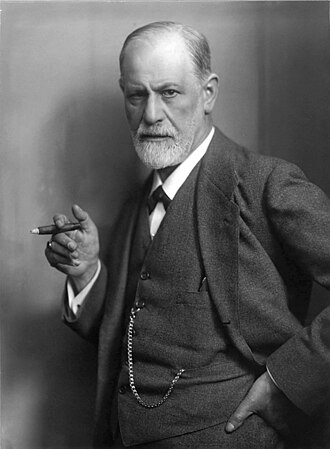
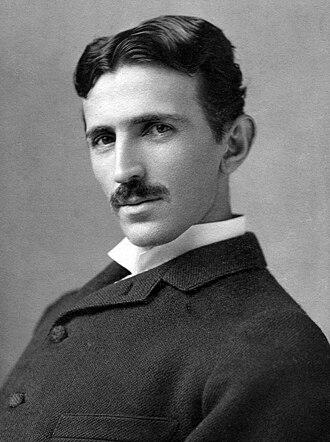
Their World
Questions About Max Weber
When was Max Weber born?
Max Weber was born on April 21, 1864, and died on June 14, 1920.
How old was Max Weber at death?
Max Weber was born on April 21, 1864, and died on June 14, 1920, at age 56.
What was Max Weber known for?
Max Weber was known for: A founder of modern sociology. Maximilian Carl Emil Weber was a German sociologist, historian, jurist, and political economist who was one of the central figures in the development of sociology and the social sciences more generally. His ideas continue to influence social theory and research.
Who was alive at the same time as Max Weber?
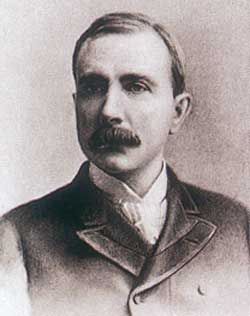
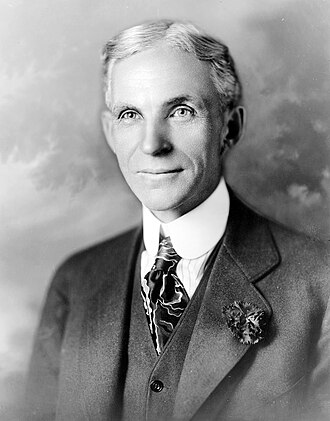
Max Weber's closest contemporary was John D. Rockefeller. Their lives overlapped for 56 years.
Sources
- Max Weber — Wikipedia. Text available under CC BY-SA 4.0
- Max Weber (Q9387) — Wikidata
- Michael Faraday — Wikipedia
- Michael Faraday (Q8750) — Wikidata
- Elizabeth II — Wikipedia
- Elizabeth II (Q9682) — Wikidata
- Portrait: Max Weber in 1918.png — Wikimedia Commons. Ernst Gottmann, Public domain