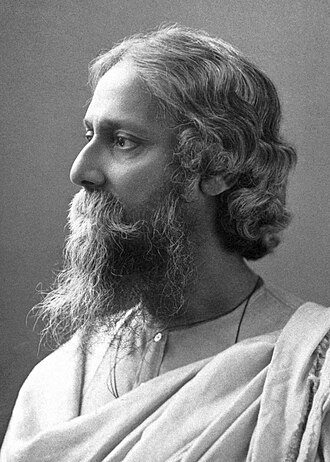
Fun Facts About Rabindranath Tagore
- Rabindranath Tagore wrote the national anthems of two countries, India's "Jana Gana Mana" and Bangladesh's "Amar Sonar Bangla," and inspired Sri Lanka's anthem too.[1]
- At 16, Tagore published poems under the pseudonym Bhanusimha ("Sun Lion"), and literary authorities hailed them as long-lost classics.[1]
- Tagore took up painting at 60 and exhibited across Europe. He was likely red-green color blind, which may explain his works' strange color schemes.[1]
- Tagore's Nobel Prize medal was stolen from a university vault in 2004. The Swedish Academy gave the university two replicas, one gold and one bronze.[1]
- Tagore narrowly escaped an assassination plot in a San Francisco hotel in 1916. It failed because the would-be assassins fell into an argument.[1]
- Tagore gave up his British knighthood in protest after the 1919 Jallianwala Bagh massacre.[1]
- Rabindranath Tagore and Albert Einstein met and discussed science and philosophy.[1][2][3][4]
- Rabindranath Tagore was alive at the same time as John Lennon — their lives overlapped for 1 year (1940–1941).[1][2][5][6]
Rabindranath Thakur, also known by his pseudonym Bhanusimha was a Bengali polymath of the Bengal Renaissance period. In 1913, Tagore became the first Asian to win a Nobel Prize in any category, and also the first lyricist and non-European to win the Nobel Prize in Literature. A significant moulder of culture within the Indian subcontinent, he has written and composed the national anthems of India and Bangladesh.[1]
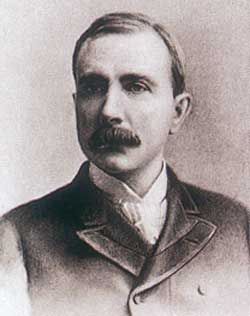
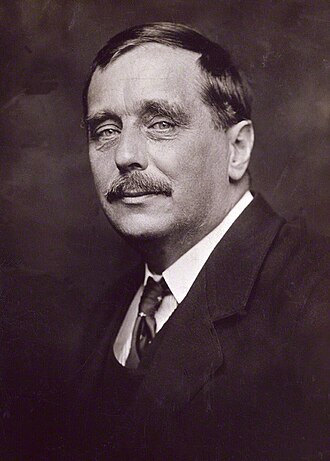
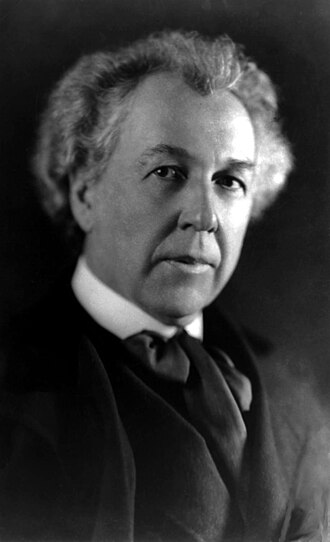
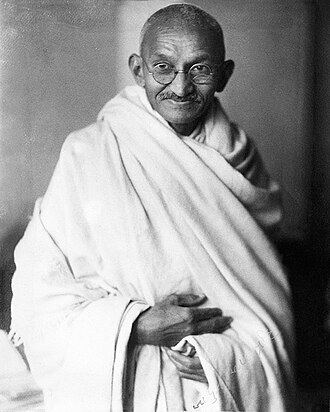
Read more on Wikipedia →Contemporaries
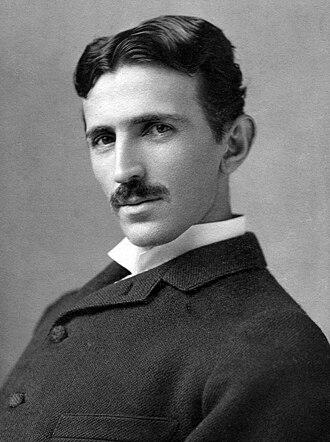
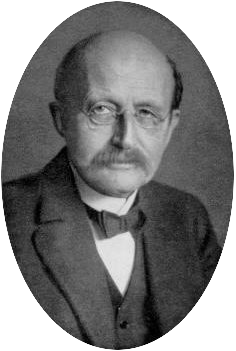
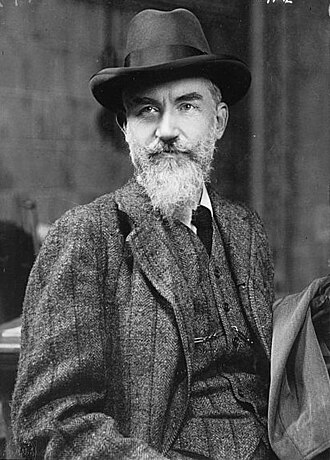
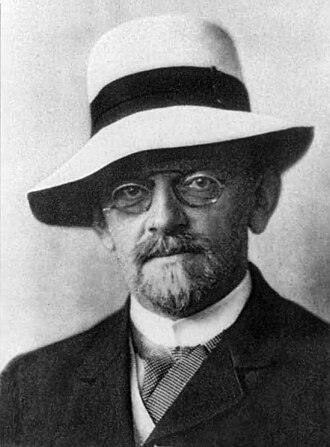
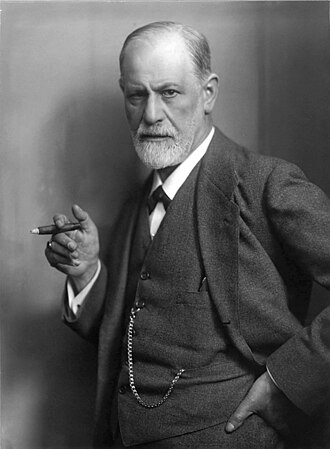
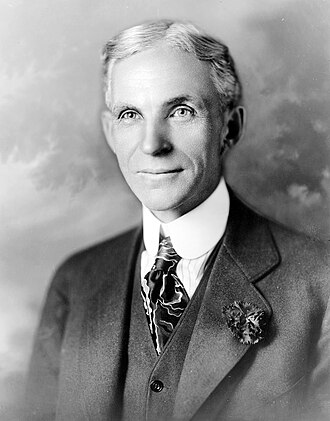
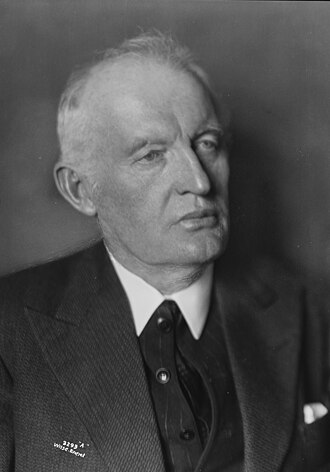
Their World
Questions About Rabindranath Tagore
When was Rabindranath Tagore born?
Rabindranath Tagore was born on May 7, 1861, and died on August 7, 1941.
How old was Rabindranath Tagore at death?
Rabindranath Tagore was born on May 7, 1861, and died on August 7, 1941, at age 80.
What was Rabindranath Tagore known for?
Rabindranath Tagore was known for: First non-European Nobel laureate in Literature. Rabindranath Thakur, also known by his pseudonym Bhanusimha was a Bengali polymath of the Bengal Renaissance period. In 1913, Tagore became the first Asian to win a Nobel Prize in any category, and also the first lyricist and non-European to win the Nobel Prize in Literature. A significant moulder of culture within the Indian subcontinent, he has written and composed the national anthems of India and Bangladesh.
Who was alive at the same time as Rabindranath Tagore?
Rabindranath Tagore's closest contemporary was Nikola Tesla. Their lives overlapped for 80 years.
Sources
- Rabindranath Tagore — Wikipedia. Text available under CC BY-SA 4.0
- Rabindranath Tagore (Q7241) — Wikidata
- Albert Einstein — Wikipedia
- Albert Einstein (Q937) — Wikidata
- John Lennon — Wikipedia
- John Lennon (Q1203) — Wikidata
- Portrait: Rabindranath Tagore in 1909.jpg — Wikimedia Commons. Generalstabens litografiska anstalt, Public domain