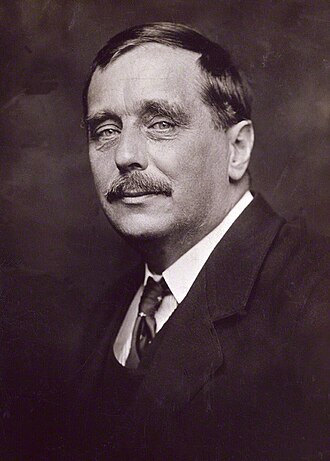
Fun Facts About H.G. Wells
- H.G. Wells described "atomic bombs" in his 1914 novel The World Set Free. Physicist Leo Szilard later kept his chain-reaction patent secret because he had read Wells.[1]
- Wells said his epitaph should be: "I told you so. You damned fools."[1]
- Wells wrote Little Wars, rules for battles with toy soldiers. According to Wells, the idea came when his friend Jerome K. Jerome began shooting toy soldiers with a toy cannon after dinner.[1]
- From 1880 to 1883 Wells was an unhappy draper's apprentice working thirteen-hour days, an experience that later inspired Kipps and The History of Mr Polly.[1]
- A broken leg in 1874 left young Wells bedridden. Reading library books to pass the time stimulated his desire to write.[1]
- In a 1940 Texas radio interview with Orson Welles, Wells credited Welles's famous War of the Worlds broadcast with increasing sales of one of his "more obscure" titles.[1][3][4]
- H.G. Wells was alive at the same time as Aung San Suu Kyi — their lives overlapped for 1 year (1945–1946).[1][2][5][6]
- H.G. Wells shares a birthday with Kwame Nkrumah: both were born on September 21.[1][2][7][8]
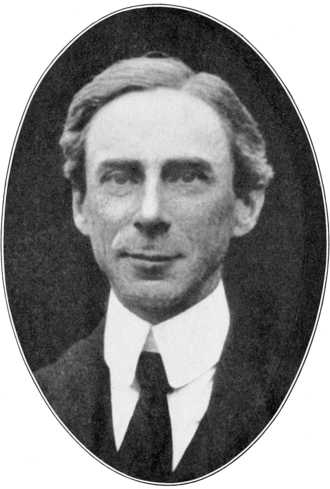
Herbert George Wells was an English writer, prolific in many genres. He wrote more than forty novels and dozens of short stories. His non-fiction output included works of social commentary, politics, history, popular science, satire, biography, and autobiography. Wells is most known today for his groundbreaking science fiction novels; he has sometimes been called the "father of science fiction", a title that has also been given to Jules Verne and Hugo Gernsback.[1]
Read more on Wikipedia →Contemporaries
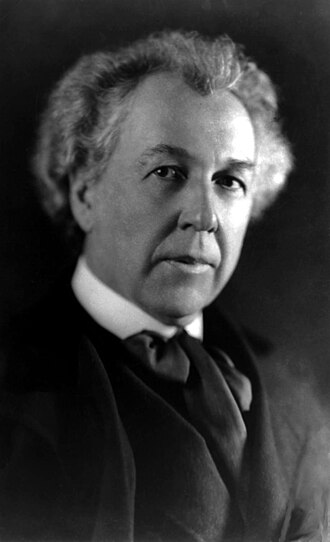
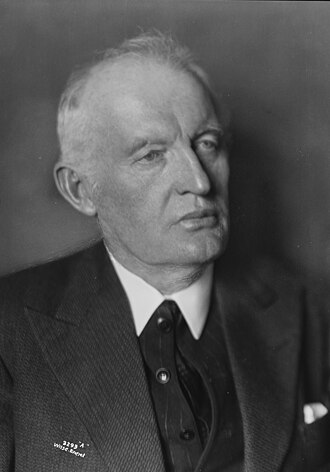
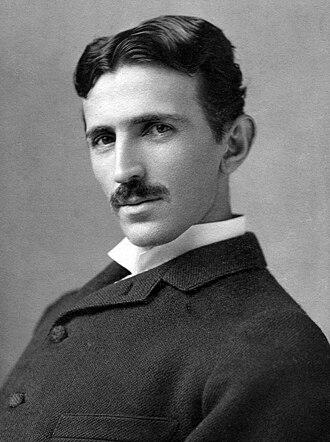
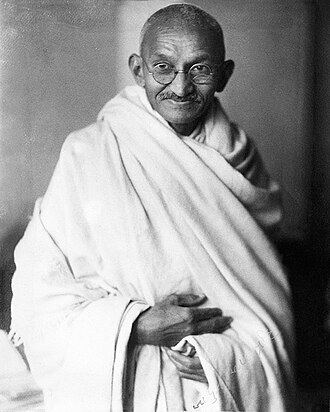
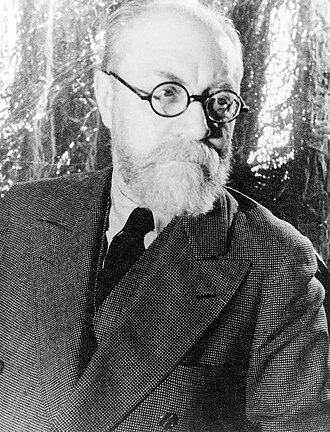
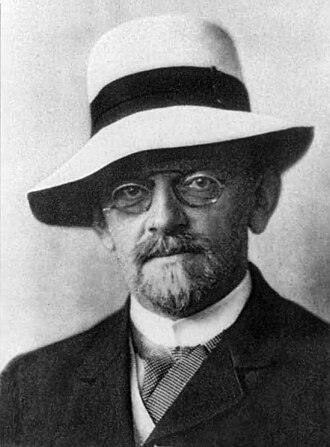
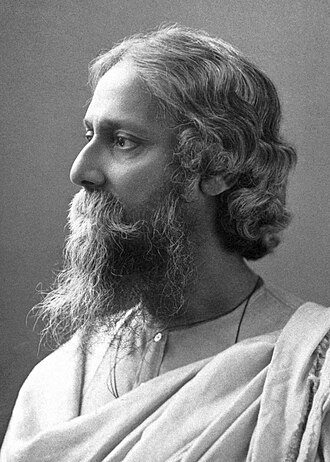
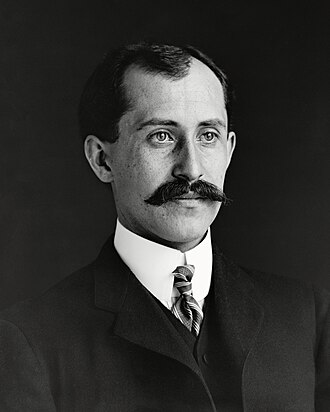
Their World
Questions About H.G. Wells
When was H.G. Wells born?
H.G. Wells was born on September 21, 1866, and died on August 13, 1946.
How old was H.G. Wells at death?
H.G. Wells was born on September 21, 1866, and died on August 13, 1946, at age 79.
What was H.G. Wells known for?
H.G. Wells was known for: The War of the Worlds, science fiction pioneer. Herbert George Wells was an English writer, prolific in many genres. He wrote more than forty novels and dozens of short stories. His non-fiction output included works of social commentary, politics, history, popular science, satire, biography, and autobiography. Wells is most known today for his groundbreaking science fiction novels; he has sometimes been called the "father of science fiction", a title that has also been given to Jules Verne and Hugo Gernsback.
Who was alive at the same time as H.G. Wells?
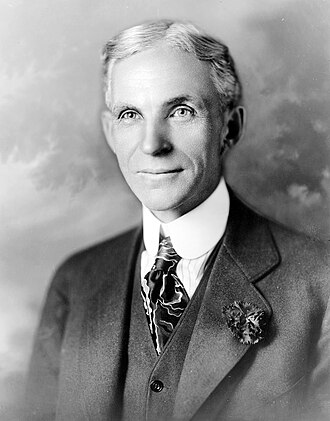
H.G. Wells's closest contemporary was Henry Ford. Their lives overlapped for 80 years.
Sources
- H. G. Wells — Wikipedia. Text available under CC BY-SA 4.0
- H.G. Wells (Q42511) — Wikidata
- Orson Welles — Wikipedia
- Orson Welles (Q24829) — Wikidata
- Aung San Suu Kyi — Wikipedia
- Aung San Suu Kyi (Q36740) — Wikidata
- Kwame Nkrumah — Wikipedia
- Kwame Nkrumah (Q8620) — Wikidata
- Portrait: H.G. Wells by Beresford.jpg — Wikimedia Commons. George Charles Beresford, Public domain