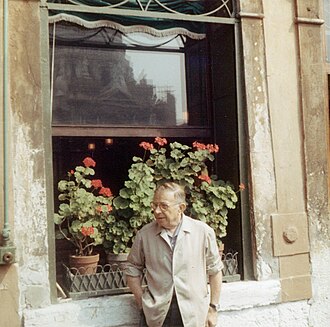
Fun Facts About Jean-Paul Sartre
- Jean-Paul Sartre declined the 1964 Nobel Prize, yet according to Lars Gyllensten, Sartre or someone close to him later asked the Swedish Academy for the prize money and was refused.[1]
- Sartre wrote to the Nobel Institute a week before the 1964 announcement asking to be removed from the nominees, but the letter went unread.[1]
- The theologian, organist and physician Albert Schweitzer was Sartre's cousin.[1]
- Sartre served in the French Army as a meteorologist, and as a German prisoner of war he wrote his first play, a Christmas drama.[1]
- Sartre failed the agrégation exam on his first try. On his second he took first place, just ahead of Simone de Beauvoir.[1][3][4]
- About 50,000 Parisians followed Sartre's funeral procession along the boulevard du Montparnasse in 1980.[1]
- Jean-Paul Sartre and Simone de Beauvoir were intellectual and romantic partners for 51 years.[1][2][3][4]
- Jean-Paul Sartre was alive at the same time as Henrik Ibsen — their lives overlapped for 1 year (1905–1906).[1][2][5][6]
Jean-Paul Charles Aymard Sartre was a French philosopher, playwright, novelist, screenwriter, political activist, biographer, and literary critic, considered a leading figure in 20th-century French philosophy and Marxism. Sartre was one of the key figures in the philosophy of existentialism. His work has influenced sociology, critical theory, post-colonial theory, and literary studies. He was awarded the 1964 Nobel Prize in Literature despite attempting to refuse it, saying that he always declined official honors and that "a writer should not allow himself to be turned into an institution."[1]
Read more on Wikipedia →Contemporaries
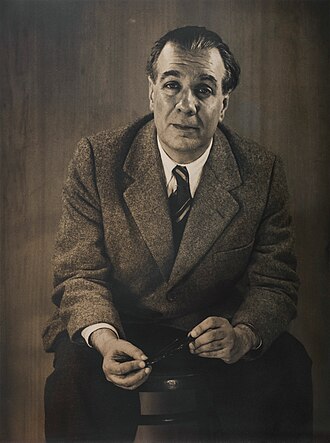
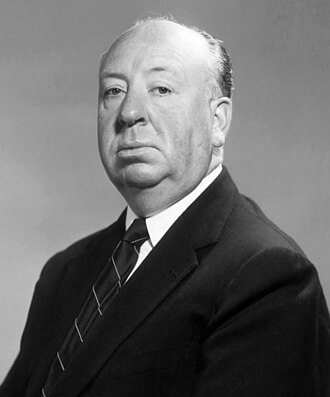
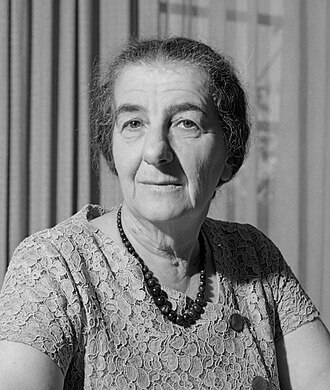
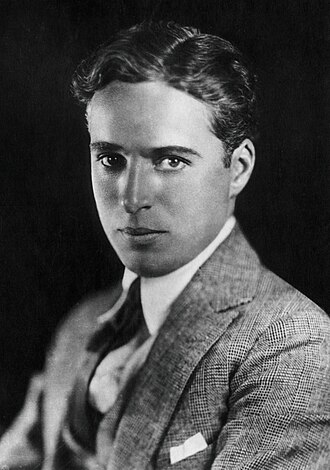
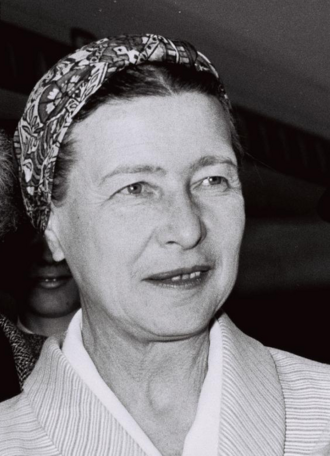
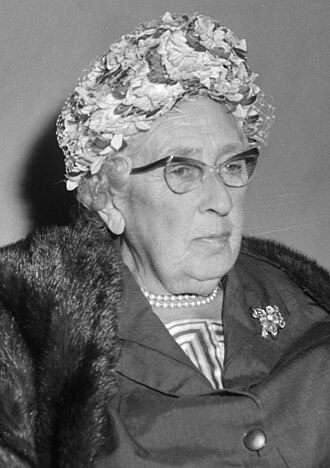
Their World
Questions About Jean-Paul Sartre
When was Jean-Paul Sartre born?
Jean-Paul Sartre was born on June 21, 1905, and died on April 15, 1980.
How old was Jean-Paul Sartre at death?
Jean-Paul Sartre was born on June 21, 1905, and died on April 15, 1980, at age 74.
What was Jean-Paul Sartre known for?
Jean-Paul Sartre was known for: Existentialism, declined the Nobel Prize. Jean-Paul Charles Aymard Sartre was a French philosopher, playwright, novelist, screenwriter, political activist, biographer, and literary critic, considered a leading figure in 20th-century French philosophy and Marxism. Sartre was one of the key figures in the philosophy of existentialism. His work has influenced sociology, critical theory, post-colonial theory, and literary studies. He was awarded the 1964 Nobel Prize in Literature despite attempting to refuse it, saying that he always declined official honors and that "a writer should not allow himself to be turned into an institution."
Who was alive at the same time as Jean-Paul Sartre?
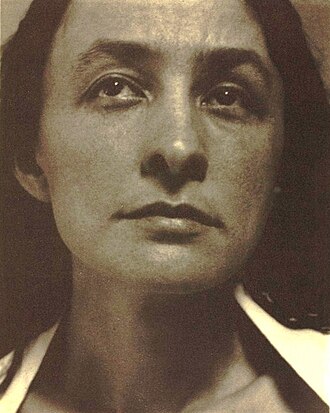
Jean-Paul Sartre's closest contemporary was Georgia O'Keeffe. Their lives overlapped for 75 years.
Sources
- Jean-Paul Sartre — Wikipedia. Text available under CC BY-SA 4.0
- Jean-Paul Sartre (Q9364) — Wikidata
- Simone de Beauvoir — Wikipedia
- Simone de Beauvoir (Q7197) — Wikidata
- Henrik Ibsen — Wikipedia
- Henrik Ibsen (Q36661) — Wikidata
- Portrait: Jean Paul Sartre 1967.jpg — Wikimedia Commons. User:T1980, CC BY 3.0