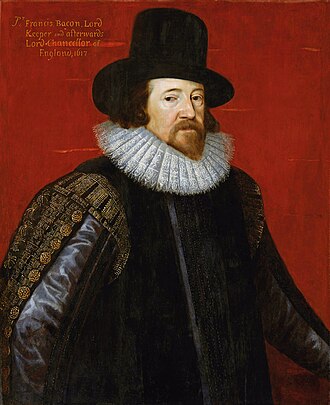
Fun Facts About Francis Bacon
- Francis Bacon may have died for science: an account by John Aubrey says he stuffed a hen with snow to test whether cold could preserve meat, then caught a fatal case of pneumonia.[1]
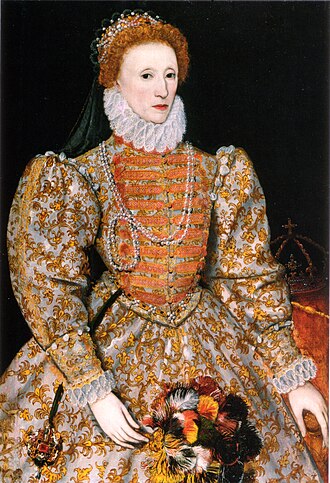
- Bacon entered Trinity College, Cambridge, at age 12, and Queen Elizabeth I, impressed by his precocious intellect, called him "The young lord keeper".[1][3][4]
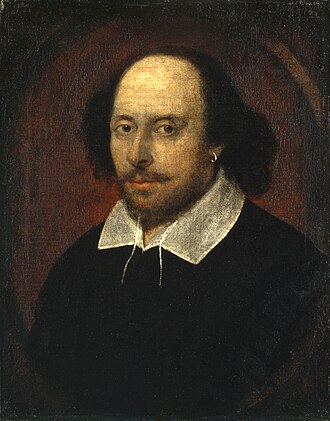
- A fringe theory first proposed in the mid-19th century claims that Bacon secretly wrote some or all of the plays attributed to William Shakespeare.[1][5][6]
- As Lord Chancellor, Bacon was charged with 23 counts of corruption in 1621, fined £40,000 and sent to the Tower of London, but he was held only a few days and the king remitted the fine.[1]
- Bacon was arrested for debt in 1598, and when he died his debts of more than £23,000 far exceeded his personal assets of about £7,000.[1]
- Bacon lost the wealthy widow Lady Elizabeth Hatton to his lifelong enemy Sir Edward Coke, the same man who later helped bring the corruption charges that ended his career.[1]
- Francis Bacon was alive at the same time as Michelangelo — their lives overlapped for 3 years (1561–1564).[1][2][7][8]
- Francis Bacon lived to about 65, from 1561 until 1626.[1][2]
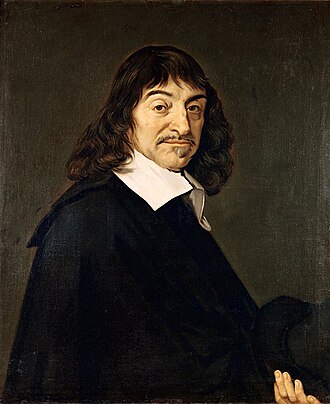
Francis Bacon, 1st Viscount St Alban was an English philosopher and statesman who served as Attorney General and Lord Chancellor of England under King James I. Bacon argued for the importance of natural philosophy, guided by the scientific method, and his works remained influential throughout the Scientific Revolution.[1]
Read more on Wikipedia →Contemporaries
Their World
Questions About Francis Bacon
When was Francis Bacon born?
Francis Bacon was born in 1561 and died in 1626.
How old was Francis Bacon at death?
Francis Bacon died in 1626 at about 65 years old (1561–1626).
What was Francis Bacon known for?
Francis Bacon was known for: Philosopher of the scientific method. Francis Bacon, 1st Viscount St Alban was an English philosopher and statesman who served as Attorney General and Lord Chancellor of England under King James I. Bacon argued for the importance of natural philosophy, guided by the scientific method, and his works remained influential throughout the Scientific Revolution.
Who was alive at the same time as Francis Bacon?
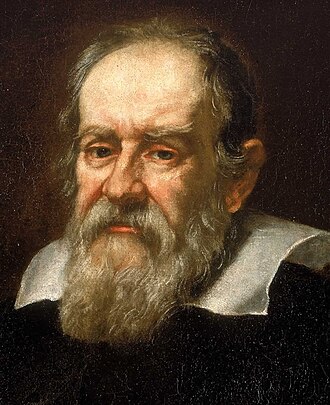
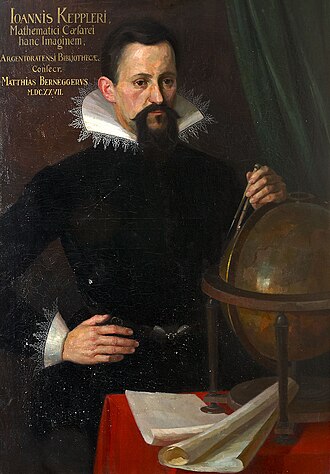
Francis Bacon's closest contemporary was Galileo Galilei. Their lives overlapped for 62 years.
Sources
- Francis Bacon — Wikipedia. Text available under CC BY-SA 4.0
- Francis Bacon (Q37388) — Wikidata
- Elizabeth I — Wikipedia
- Elizabeth I (Q7207) — Wikidata
- William Shakespeare — Wikipedia
- William Shakespeare (Q692) — Wikidata
- Michelangelo — Wikipedia
- Michelangelo (Q5592) — Wikidata
- Portrait: Somer Francis Bacon.jpg — Wikimedia Commons. Paul van Somer I / Formerly attributed to Frans Pourbus the Younger, Public domain