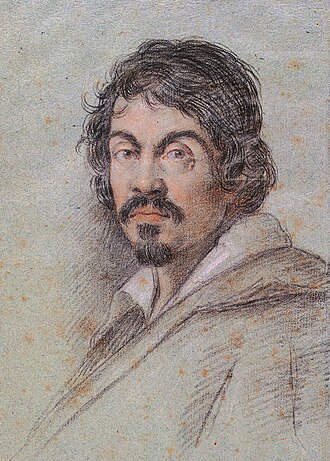
Fun Facts About Caravaggio
- Caravaggio fled Rome in 1606 under a death sentence after killing Ranuccio Tomassoni; rumors of the time blamed a quarrel over pallacorda, a kind of tennis.[1]
- In 1604 a tavern waiter sued Caravaggio for throwing a plate of artichokes in his face.[1]
- Caravaggio's real name was Michelangelo Merisi. He was born in Milan, not in the town of Caravaggio, where his family moved to escape a plague.[1]
- The Beheading of Saint John the Baptist, painted in Malta, is Caravaggio's largest work and the only painting he ever signed.[1]
- Caravaggio painted his own head on a platter in a Salome with the Head of John the Baptist and sent it to Alof de Wignacourt, Grand Master of the Knights, as a plea for forgiveness.[1]
- Caravaggio's Nativity was cut from its frame by thieves in Palermo in 1969, and former Mafia members have said it was displayed at important Mafia gatherings.[1]
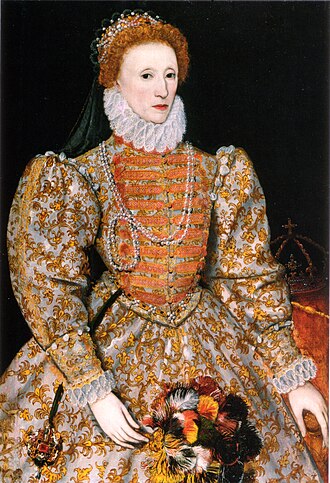
- Caravaggio was alive at the same time as Elizabeth I — their lives overlapped for 32 years (1571–1603).[1][2][3][4]
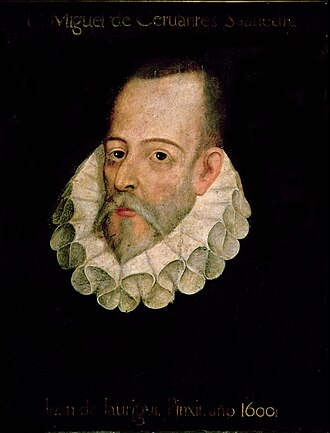
- Caravaggio shares a birthday with Miguel de Cervantes: both were born on September 29.[1][2][5][6]
Michelangelo Merisi da Caravaggio, known mononymously as Caravaggio, was an Italian painter active in Rome for most of his artistic life. During the final four years of his life, he moved between Naples, Malta, and Sicily. His paintings have been characterized by art critics as combining a realistic observation of the human state, both physical and emotional, with a dramatic use of lighting, which had a formative influence on Baroque painting.[1]
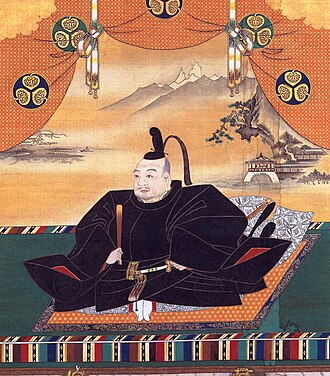
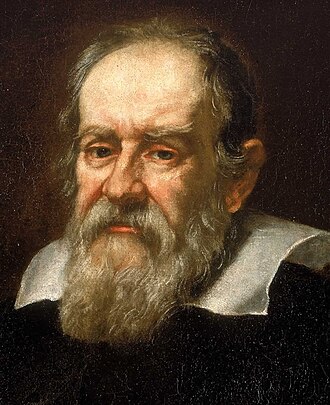
Read more on Wikipedia →Contemporaries
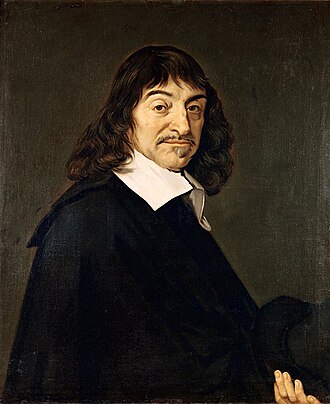
Their World
Questions About Caravaggio
When was Caravaggio born?
Caravaggio was born on September 29, 1571, and died on July 18, 1610.
How old was Caravaggio at death?
Caravaggio was born on September 29, 1571, and died on July 18, 1610, at age 38.
What was Caravaggio known for?
Caravaggio was known for: Revolutionary Baroque painter. Michelangelo Merisi da Caravaggio, known mononymously as Caravaggio, was an Italian painter active in Rome for most of his artistic life. During the final four years of his life, he moved between Naples, Malta, and Sicily. His paintings have been characterized by art critics as combining a realistic observation of the human state, both physical and emotional, with a dramatic use of lighting, which had a formative influence on Baroque painting.
Who was alive at the same time as Caravaggio?
Caravaggio's closest contemporary was Tokugawa Ieyasu. Their lives overlapped for 39 years.
Sources
- Caravaggio — Wikipedia. Text available under CC BY-SA 4.0
- Caravaggio (Q42207) — Wikidata
- Elizabeth I — Wikipedia
- Elizabeth I (Q7207) — Wikidata
- Miguel de Cervantes — Wikipedia
- Miguel de Cervantes (Q5682) — Wikidata
- Portrait: Bild-Ottavio Leoni, Caravaggio.jpg — Wikimedia Commons. Ottavio Leoni, Public domain