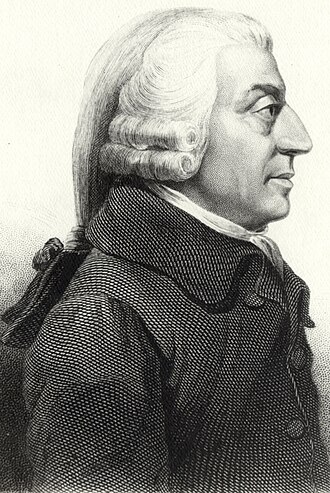
Fun Facts About Adam Smith
- According to one story, Adam Smith once went out walking in his nightgown so lost in thought that he ended up 15 miles outside town before church bells brought him back to reality.[1]
- Smith was famously absent-minded: one story says he walked into a tanning pit while discussing free trade, and another that he brewed bread and butter in a teapot and called it the worst tea he ever had.[1]
- According to his biographer John Rae, Smith was abducted by Romani at the age of three and released when others went to rescue him.[1]
- Smith reportedly complained that Oxford officials caught him reading David Hume's A Treatise of Human Nature, confiscated the book, and punished him severely.[1]
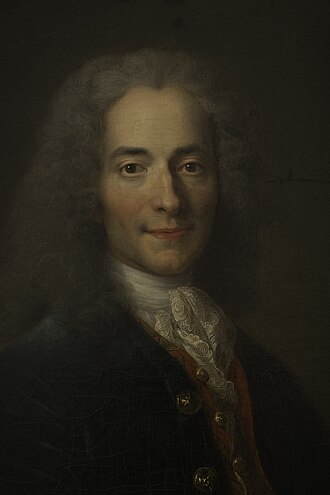
- While touring Europe as a tutor, Smith met Voltaire in Geneva and Benjamin Franklin in Paris. Bored in Toulouse, he had begun writing a book "to pass away the time."[1][3][4][5][6]
- In 2007 Smith became the first Scotsman to appear on an English banknote, when his image was put on the Bank of England's new £20 notes.[1]
- Adam Smith was alive at the same time as Isaac Newton — their lives overlapped for 4 years (1723–1727).[1][2][7][8]
- Adam Smith and Billie Holiday died on the same day of the year, July 17.[1][2][9][10]
Adam Smith was a Scottish economist and philosopher who was a pioneer in the field of political economy and key figure during the Scottish Enlightenment. Seen by many as the "father of economics", or the "father of capitalism", he is primarily known for two classic works: The Theory of Moral Sentiments (1759) and An Inquiry into the Nature and Causes of the Wealth of Nations (1776). The latter, often abbreviated as The Wealth of Nations, is regarded as his magnum opus, marking the inception of modern economic scholarship as a comprehensive system and an academic discipline. Smith refuses to explain the distribution of wealth and power in terms of divine will and instead appeals to natural, political, social, economic, legal, environmental and technological factors, as well as the interactions among them. The work is notable for its contribution to economic theory, particularly in its exposition of the concept of absolute advantage.[1]
Read more on Wikipedia →Contemporaries
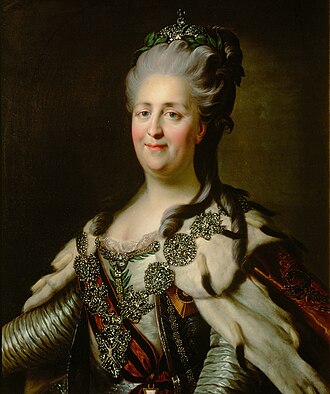
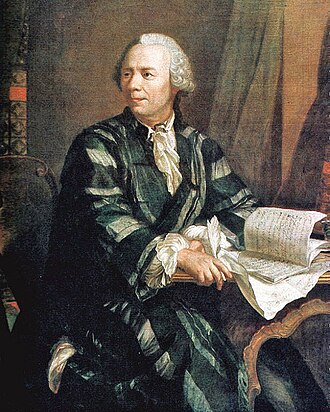
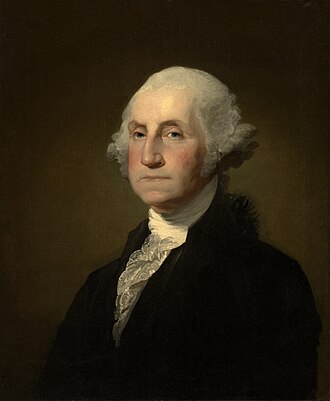
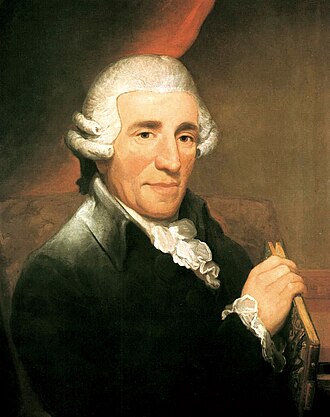
Their World
Questions About Adam Smith
When was Adam Smith born?
Adam Smith was born in 1723 and died on July 17, 1790.
How old was Adam Smith at death?
Adam Smith died in 1790 at about 67 years old (1723–1790).
What was Adam Smith known for?
Adam Smith was known for: Economist, author of The Wealth of Nations. Adam Smith was a Scottish economist and philosopher who was a pioneer in the field of political economy and key figure during the Scottish Enlightenment. Seen by many as the "father of economics", or the "father of capitalism", he is primarily known for two classic works: The Theory of Moral Sentiments (1759) and An Inquiry into the Nature and Causes of the Wealth of Nations (1776). The latter, often abbreviated as The Wealth of Nations, is regarded as his magnum opus, marking the inception of modern economic scholarship as a comprehensive system and an academic discipline. Smith refuses to explain the distribution of wealth and power in terms of divine will and instead appeals to natural, political, social, economic, legal, environmental and technological factors, as well as the interactions among them. The work is notable for its contribution to economic theory, particularly in its exposition of the concept of absolute advantage.
Who was alive at the same time as Adam Smith?
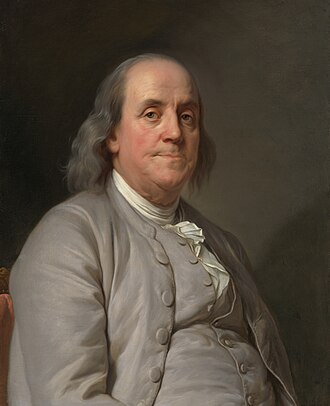
Adam Smith's closest contemporary was Benjamin Franklin. Their lives overlapped for 67 years.
Sources
- Adam Smith — Wikipedia. Text available under CC BY-SA 4.0
- Adam Smith (Q9381) — Wikidata
- Voltaire — Wikipedia
- Voltaire (Q9068) — Wikidata
- Benjamin Franklin — Wikipedia
- Benjamin Franklin (Q34969) — Wikidata
- Isaac Newton — Wikipedia
- Isaac Newton (Q935) — Wikidata
- Billie Holiday — Wikipedia
- Billie Holiday (Q104358) — Wikidata
- Portrait: AdamSmith.jpg — Wikimedia Commons. Etching created by Cadell and Davies (1811), John Horsburgh (1828) or R.C. Bell (1872)., Public domain