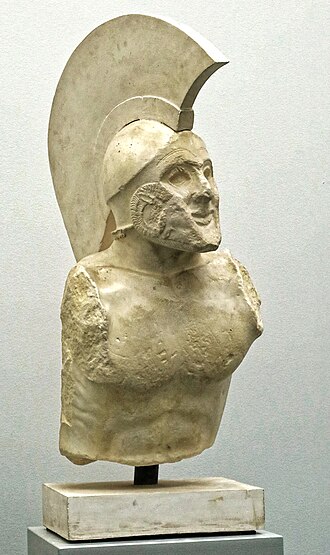
Fun Facts About Leonidas I
- Leonidas I did not march to Thermopylae with only 300 men: he brought 1,200, including 900 helots, and Greeks from other cities joined him to form an army of 7,000.[1]
- When Xerxes offered to spare the Spartans if they gave up their arms, Leonidas replied "Come and take them," words on a sign under his statue at Thermopylae.[1]
- Leonidas married Gorgo, the daughter of his own half-brother, King Cleomenes I, whom he succeeded on the throne.[1]
- Herodotus claimed the Persian army at Thermopylae had over two million men; modern scholars estimate 70,000 to 300,000.[1]
- Leonidas's name means "descendant of Leon," after his grandfather, but it can also literally mean "son of a lion."[1]
- A hero cult of Leonidas survived in Sparta into the 2nd century AD, with yearly games in his honor that only Spartans could enter.[1]
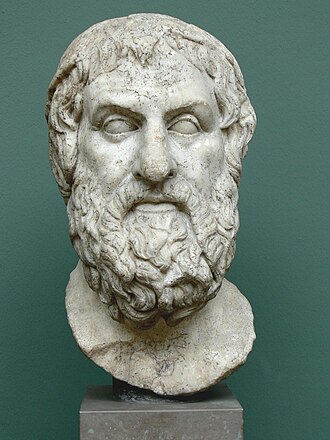
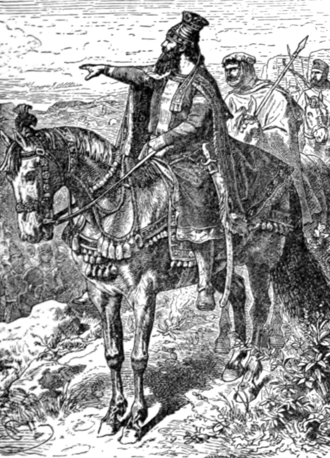
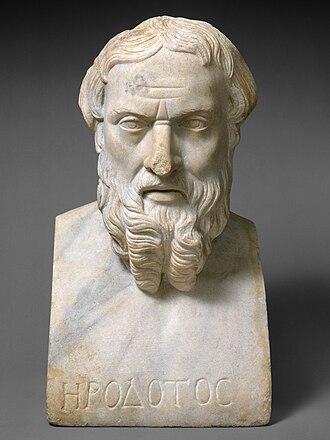
- Leonidas I was alive at the same time as Herodotus — their lives overlapped for about 4 years (c. 484 BCE–480 BCE).[1][2][3][4]
- Leonidas I lived to about 60, from c. 540 BCE until 480 BCE.[1][2]
Leonidas I was king of the Ancient Greek city-state of Sparta. He was the son of king Anaxandridas II and the 17th king of the Agiad dynasty, a Spartan royal house which claimed descent from Heracles. Leonidas I ascended to the throne in c. 489 BC, succeeding his half-brother king Cleomenes I. He ruled jointly along with king Leotychidas II until his death in 480 BC, when he was succeeded by his son, Pleistarchus.[1]
Read more on Wikipedia →Contemporaries


Questions About Leonidas I
When was Leonidas I born?
Leonidas I was born about 540 BCE and died in 480 BCE.
How old was Leonidas I at death?
Leonidas I died in 480 BCE at about 60 years old (c. 540 BCE–480 BCE).
What was Leonidas I known for?
Leonidas I was known for: Spartan king, hero of Thermopylae. Leonidas I was king of the Ancient Greek city-state of Sparta. He was the son of king Anaxandridas II and the 17th king of the Agiad dynasty, a Spartan royal house which claimed descent from Heracles. Leonidas I ascended to the throne in c. 489 BC, succeeding his half-brother king Cleomenes I. He ruled jointly along with king Leotychidas II until his death in 480 BC, when he was succeeded by his son, Pleistarchus.
Who was alive at the same time as Leonidas I?
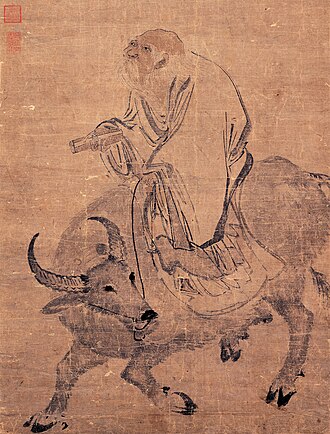
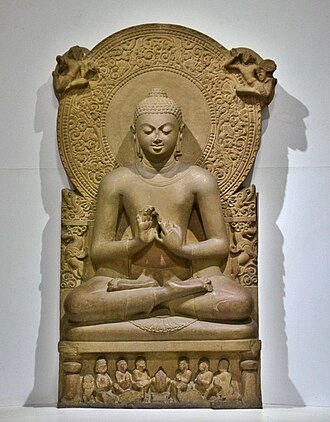
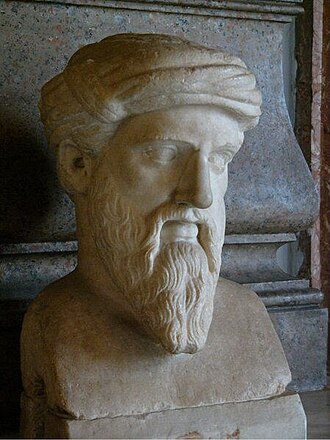
Leonidas I's closest contemporary was Lao Tzu. Their lives overlapped for 60 years.
Sources
- Leonidas I — Wikipedia. Text available under CC BY-SA 4.0
- Leonidas I (Q44228) — Wikidata
- Herodotus — Wikipedia
- Herodotus (Q26825) — Wikidata
- Portrait: Leonidas Statue.jpg — Wikimedia Commons. Pimpinellus, CC BY-SA 4.0