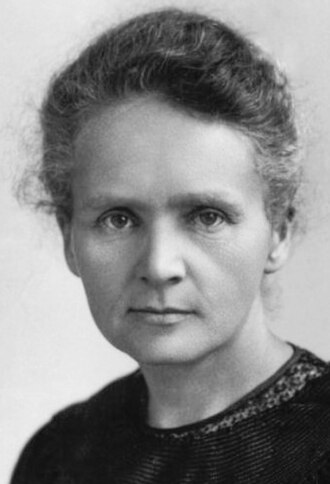
Fun Facts About Marie Curie
- Marie Curie's papers from the 1890s are considered too radioactive to handle. Even her cookbooks are highly radioactive, and readers must wear protective clothing.[1]
- Curie wore a dark blue outfit instead of a bridal gown at her 1895 wedding to Pierre Curie, and it served as her laboratory outfit for many years.[1]
- When World War I began, Curie tried to donate her gold Nobel Prize medals to the war effort, but the French National Bank refused them.[1]
- During World War I, Curie developed mobile X-ray units for field hospitals. An estimated million-plus wounded soldiers were treated with them.[1]
- Curie deliberately did not patent her process for isolating radium, so other scientists could do research unhindered.[1]
- In 1911, the year of her second Nobel Prize, the French Academy of Sciences rejected Curie by one or two votes and elected inventor Edouard Branly instead.[1]
- Marie Curie was alive at the same time as Alexandre Dumas — their lives overlapped for 3 years (1867–1870).[1][2][3][4]
- Marie Curie shares a birthday with Albert Camus: both were born on November 7.[1][2][5][6]
Maria Salomea Skłodowska Curie, better known as Marie Curie, was a Polish and naturalised-French physicist and chemist. She shared the 1903 Nobel Prize in Physics with her husband Pierre Curie "for their joint researches on the radioactivity phenomena discovered by Professor Henri Becquerel". She won the 1911 Nobel Prize in Chemistry "[for] the discovery of the elements radium and polonium, by the isolation of radium and the study of the nature and compounds of this remarkable element".[1]
Read more on Wikipedia →Contemporaries
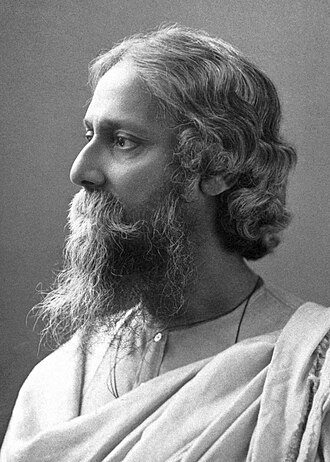
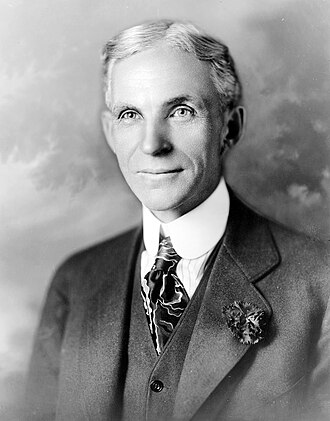
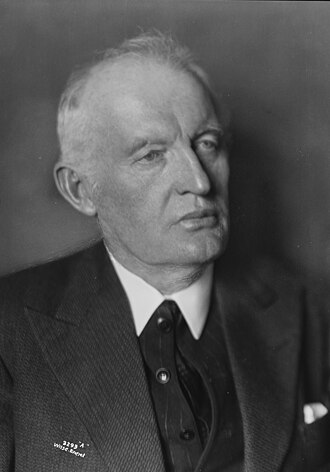
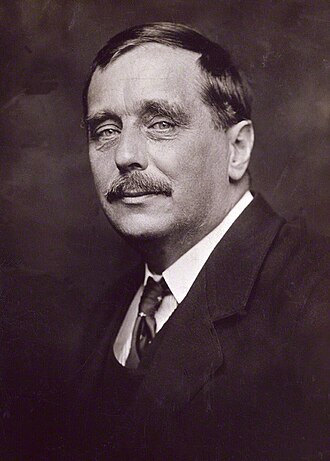
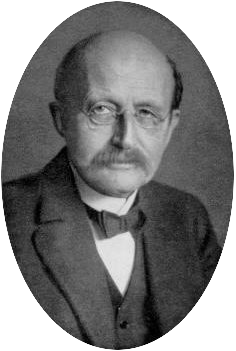
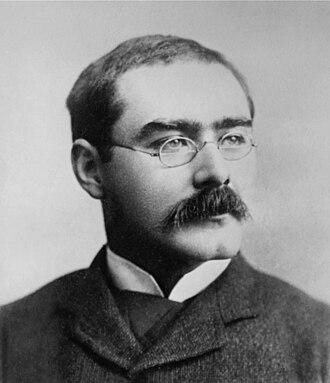
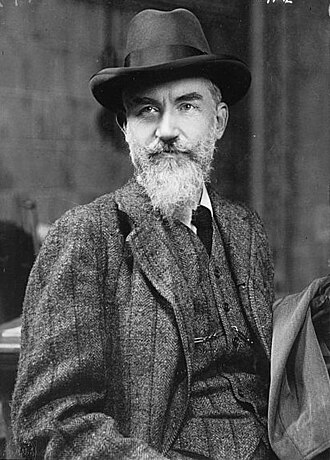
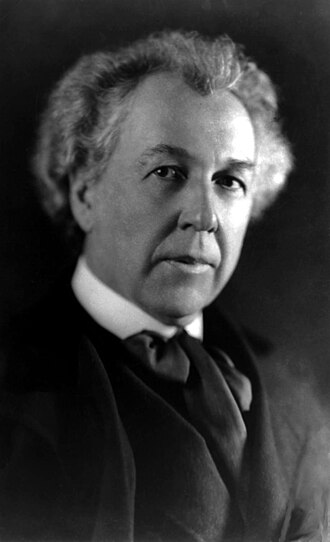
Their World
Questions About Marie Curie
When was Marie Curie born?
Marie Curie was born on November 7, 1867, and died on July 4, 1934.
How old was Marie Curie at death?
Marie Curie was born on November 7, 1867, and died on July 4, 1934, at age 66.
What was Marie Curie known for?
Marie Curie was known for: Radioactivity, first woman Nobel laureate. Maria Salomea Skłodowska Curie, better known as Marie Curie, was a Polish and naturalised-French physicist and chemist. She shared the 1903 Nobel Prize in Physics with her husband Pierre Curie "for their joint researches on the radioactivity phenomena discovered by Professor Henri Becquerel". She won the 1911 Nobel Prize in Chemistry "[for] the discovery of the elements radium and polonium, by the isolation of radium and the study of the nature and compounds of this remarkable element".
Who was alive at the same time as Marie Curie?
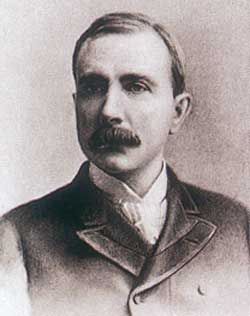
Marie Curie's closest contemporary was John D. Rockefeller. Their lives overlapped for 67 years.
Sources
- Marie Curie — Wikipedia. Text available under CC BY-SA 4.0
- Marie Curie (Q7186) — Wikidata
- Alexandre Dumas — Wikipedia
- Alexandre Dumas (Q38337) — Wikidata
- Albert Camus — Wikipedia
- Albert Camus (Q34670) — Wikidata
- Portrait: Marie Curie (1900) (cropped).jpg — Wikimedia Commons. http://jasminkellner.com/wp-content/uploads/2015/03/Marie-Curie.jpg, Public domain