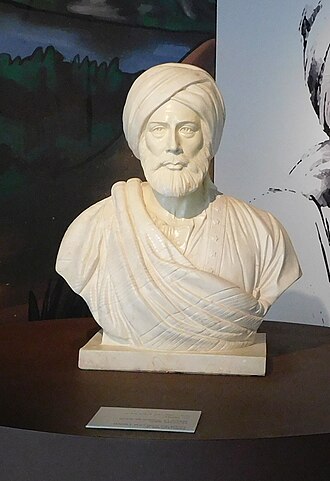
Fun Facts About Ibn Battuta
- Ibn Battuta traveled about 117,000 km, more than any other explorer in pre-modern history, far surpassing Zheng He (about 50,000 km) and Marco Polo (24,000 km).[1][3][4][5][6]
- The name Ibn Battuta is a patronymic that literally means "son of a duckling."[1]
- In the Maldives, leaders who needed a chief judge gave Ibn Battuta pearls and gold while making it impossible for him to leave by ship. He became chief judge and stayed nine months.[1]
- There is no sign Ibn Battuta kept notes on his travels. He dictated The Rihla from memory and earlier manuscripts to Ibn Juzayy, who copied passages from an account over 150 years old.[1]
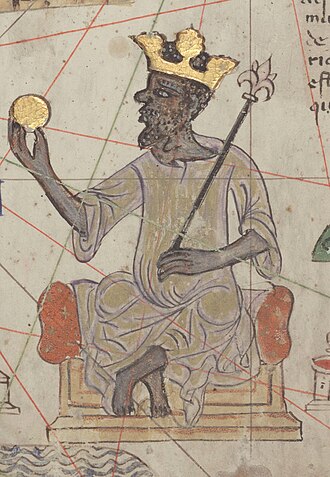
- On his way to the capital of the Mali Empire, Ibn Battuta followed a river he believed was the Nile. It was actually the Niger.[1]
- Muslims called the Chinese port of Quanzhou "Zaitun," meaning olive, but Ibn Battuta noted that he could not find any olives there.[1]
- Ibn Battuta was alive at the same time as Dante Alighieri — their lives overlapped for 17 years (1304–1321).[1][2][7][8]
- Ibn Battuta shares a birthday with Steve Jobs: both were born on February 24.[1][2][9][10]
Ibn Battuta was a Maghrebi Muslim traveller, explorer and scholar. Over a period of 30 years from 1325 to 1354, he visited much of Africa, Asia, and the Iberian Peninsula. Near the end of his life, Ibn Battuta dictated an account of his journeys, titled A Gift to Those Who Contemplate the Wonders of Cities and the Marvels of Travelling, commonly known as The Rihla. Ibn Battuta travelled more than any other explorer in pre-modern history, totalling around 117,000 km (73,000 mi), surpassing Zheng He with about 50,000 km (31,000 mi) and Marco Polo with 24,000 km (15,000 mi).[1]
Read more on Wikipedia →Contemporaries
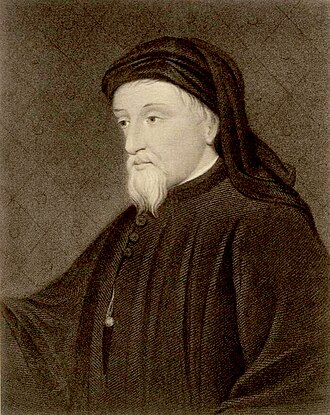
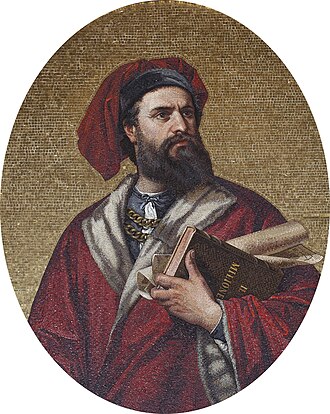
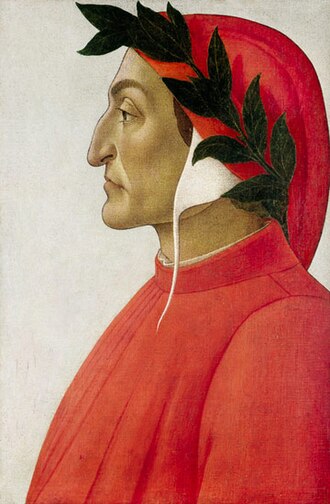
Their World
Questions About Ibn Battuta
When was Ibn Battuta born?
Ibn Battuta was born on February 24, 1304, and died about 1369.
How old was Ibn Battuta at death?
Ibn Battuta died about 1369 at about 65 years old (1304–c. 1369).
What was Ibn Battuta known for?
Ibn Battuta was known for: Medieval traveler across Africa, Asia and Iberia. Ibn Battuta was a Maghrebi Muslim traveller, explorer and scholar. Over a period of 30 years from 1325 to 1354, he visited much of Africa, Asia, and the Iberian Peninsula. Near the end of his life, Ibn Battuta dictated an account of his journeys, titled A Gift to Those Who Contemplate the Wonders of Cities and the Marvels of Travelling, commonly known as The Rihla. Ibn Battuta travelled more than any other explorer in pre-modern history, totalling around 117,000 km (73,000 mi), surpassing Zheng He with about 50,000 km (31,000 mi) and Marco Polo with 24,000 km (15,000 mi).
Who was alive at the same time as Ibn Battuta?
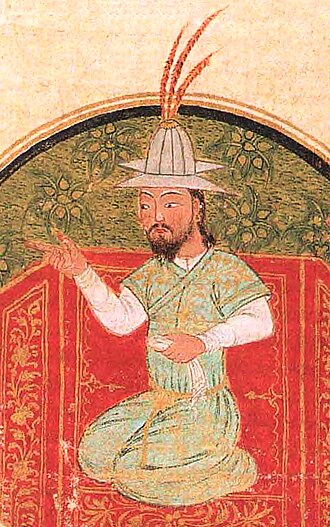
Ibn Battuta's closest contemporary was Timur. Their lives overlapped for 41 years.
Sources
- Ibn Battuta — Wikipedia. Text available under CC BY-SA 4.0
- Ibn Battuta (Q7331) — Wikidata
- Zheng He — Wikipedia
- Zheng He (Q7333) — Wikidata
- Marco Polo — Wikipedia
- Marco Polo (Q6101) — Wikidata
- Dante Alighieri — Wikipedia
- Dante Alighieri (Q1067) — Wikidata
- Steve Jobs — Wikipedia
- Steve Jobs (Q19837) — Wikidata
- Portrait: Bust of Ibn Battuta at Ibn Battuta museum.jpg — Wikimedia Commons. Ideophagous, CC BY-SA 4.0