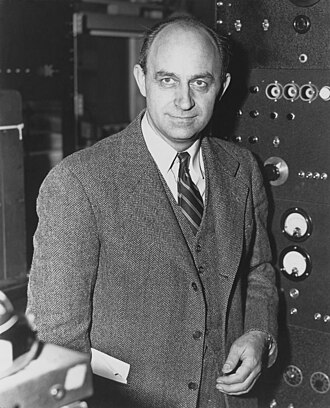
Fun Facts About Enrico Fermi
- Enrico Fermi built the world's first artificial nuclear reactor, Chicago Pile-1, in a squash court under the stands of the University of Chicago's Stagg Field.[1]
- After receiving his Nobel Prize in Stockholm in 1938, Fermi did not return to Italy. He went on to New York with his family, escaping racial laws that threatened his Jewish wife, Laura.[1]
- The new elements Fermi was partly awarded his Nobel Prize for turned out to be fission products. Embarrassed, he added a footnote to his Nobel acceptance speech.[1]
- At the Trinity test, Fermi estimated the bomb's yield by dropping strips of paper into the blast wave. He got ten kilotons; the actual yield was about 18.6.[1]
- Because his Nobel fame might give away the secret, Fermi was advised to travel to Los Alamos under the pseudonym "Henry Farmer".[1]
- As a student in Pisa, Fermi was told by his lab director that there was little he could teach him. The professor often asked Fermi to teach him something instead.[1]
- Enrico Fermi was alive at the same time as Jules Verne — their lives overlapped for 4 years (1901–1905).[1][2][3][4]
- Enrico Fermi shares a birthday with Miguel de Cervantes: both were born on September 29.[1][2][5][6]
Enrico Fermi was an Italian–American physicist, renowned for being the creator of the world's first artificial nuclear reactor, the Chicago Pile-1, and a member of the Manhattan Project. He won the 1938 Nobel Prize in Physics "for his demonstrations of the existence of new radioactive elements produced by neutron irradiation, and for his related discovery of nuclear reactions brought about by slow neutrons". He has been called the "architect of the nuclear age" and the "architect of the atomic bomb". He was one of very few physicists to excel in both theoretical and experimental physics. With his colleagues, Fermi filed several patents related to the use of nuclear power, all of which were taken over by the US government. He made significant contributions to the development of statistical mechanics, quantum theory, and nuclear and particle physics.[1]
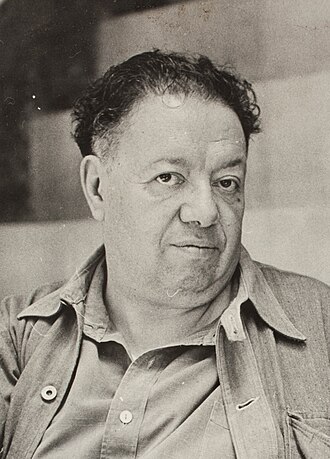
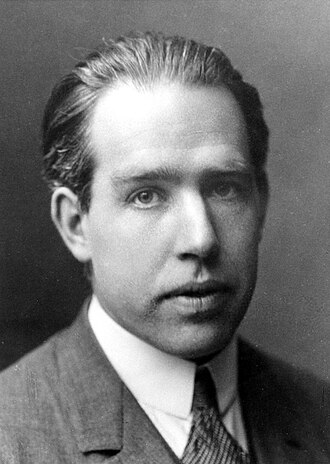
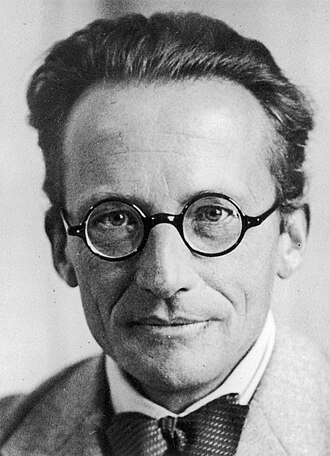
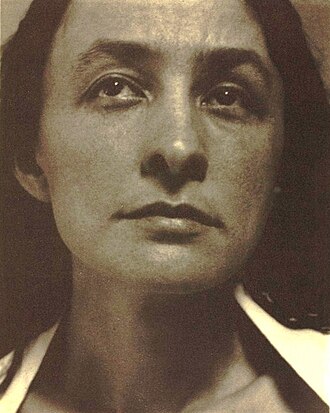
Read more on Wikipedia →Contemporaries
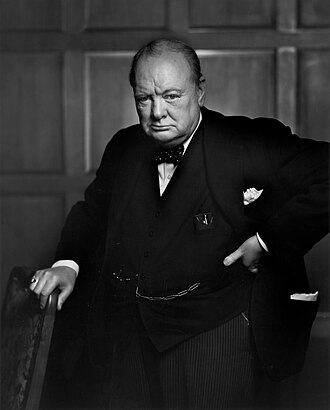
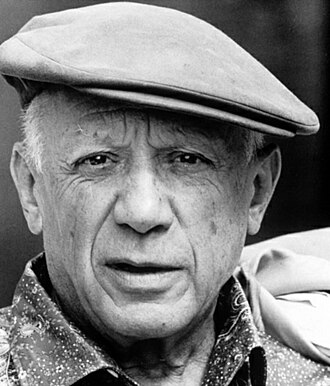
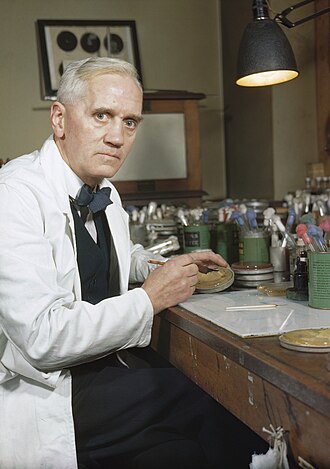
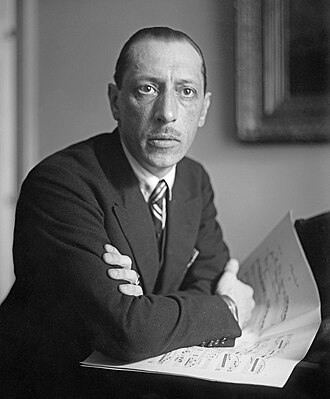
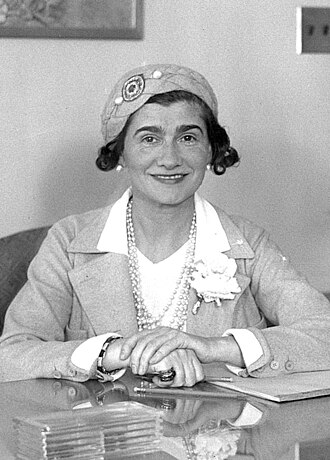
Their World
Questions About Enrico Fermi
When was Enrico Fermi born?
Enrico Fermi was born on September 29, 1901, and died on November 28, 1954.
How old was Enrico Fermi at death?
Enrico Fermi was born on September 29, 1901, and died on November 28, 1954, at age 53.
What was Enrico Fermi known for?
Enrico Fermi was known for: Father of the nuclear age, first nuclear reactor. Enrico Fermi was an Italian–American physicist, renowned for being the creator of the world's first artificial nuclear reactor, the Chicago Pile-1, and a member of the Manhattan Project. He won the 1938 Nobel Prize in Physics "for his demonstrations of the existence of new radioactive elements produced by neutron irradiation, and for his related discovery of nuclear reactions brought about by slow neutrons". He has been called the "architect of the nuclear age" and the "architect of the atomic bomb". He was one of very few physicists to excel in both theoretical and experimental physics. With his colleagues, Fermi filed several patents related to the use of nuclear power, all of which were taken over by the US government. He made significant contributions to the development of statistical mechanics, quantum theory, and nuclear and particle physics.
Who was alive at the same time as Enrico Fermi?
Enrico Fermi's closest contemporary was Winston Churchill. Their lives overlapped for 53 years.
Sources
- Enrico Fermi — Wikipedia. Text available under CC BY-SA 4.0
- Enrico Fermi (Q8753) — Wikidata
- Jules Verne — Wikipedia
- Jules Verne (Q33977) — Wikidata
- Miguel de Cervantes — Wikipedia
- Miguel de Cervantes (Q5682) — Wikidata
- Portrait: Enrico Fermi 1943-49.jpg — Wikimedia Commons. Department of Energy-Office of Public Affairs, restored by Yann, Public domain