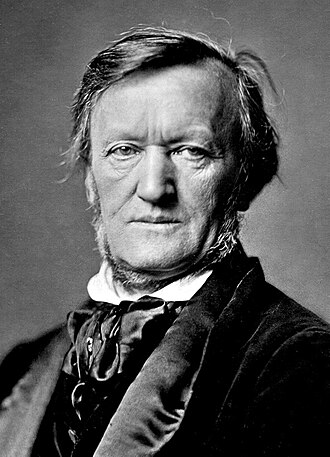
Fun Facts About Richard Wagner
- Richard Wagner introduced darkening the auditorium during performances and hiding the orchestra in a pit out of the audience's view, at his Bayreuth theater.[1]
- Wagner fled Riga to escape his creditors, and the stormy sea passage that followed inspired his opera The Flying Dutchman.[1]
- The premiere of Wagner's Tristan und Isolde was delayed by bailiffs acting for his creditors, even after King Ludwig II had paid off his debts.[1]
- Wagner's Siegfried Idyll was first performed as a surprise on Christmas Day 1870 for his wife Cosima's birthday.[1]
- Wagner's Ring cycle took him 26 years to complete and takes about 15 hours to perform.[1]
- At the final Parsifal performance of 1882, the ailing Wagner slipped into the pit unseen, took the baton from the conductor and led the opera to its end.[1]
- Richard Wagner was alive at the same time as Franklin D. Roosevelt — their lives overlapped for 1 year (1882–1883).[1][2][3][4]
- Richard Wagner shares a birthday with Arthur Conan Doyle: both were born on May 22.[1][2][5][6]
Wilhelm Richard Wagner was a German composer, theatre director, essayist, and conductor, best known for his operas, although his mature works are often referred to as music dramas. Unlike most composers, Wagner wrote both the libretti and the music for all of his stage works. He first achieved recognition with works in the Romantic tradition of Carl Maria von Weber and Giacomo Meyerbeer, but revolutionised the genre through his concept of the Gesamtkunstwerk, which sought to unite poetic, musical, visual, and dramatic elements. In this approach, the drama unfolds as a continuously sung narrative, with the music evolving organically from the text rather than alternating between arias and recitatives. Wagner outlined these ideas in a series of essays published between 1849 and 1852, most fully realising them in the first half of his four-opera cycle Der Ring des Nibelungen.[1]
Read more on Wikipedia →Contemporaries
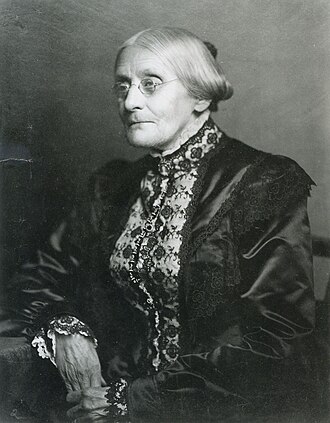
Their World
Questions About Richard Wagner
When was Richard Wagner born?
Richard Wagner was born on May 22, 1813, and died on February 13, 1883.
How old was Richard Wagner at death?
Richard Wagner was born on May 22, 1813, and died on February 13, 1883, at age 69.
What was Richard Wagner known for?
Richard Wagner was known for: Ring Cycle, revolutionary opera. Wilhelm Richard Wagner was a German composer, theatre director, essayist, and conductor, best known for his operas, although his mature works are often referred to as music dramas. Unlike most composers, Wagner wrote both the libretti and the music for all of his stage works. He first achieved recognition with works in the Romantic tradition of Carl Maria von Weber and Giacomo Meyerbeer, but revolutionised the genre through his concept of the Gesamtkunstwerk, which sought to unite poetic, musical, visual, and dramatic elements. In this approach, the drama unfolds as a continuously sung narrative, with the music evolving organically from the text rather than alternating between arias and recitatives. Wagner outlined these ideas in a series of essays published between 1849 and 1852, most fully realising them in the first half of his four-opera cycle Der Ring des Nibelungen.
Who was alive at the same time as Richard Wagner?
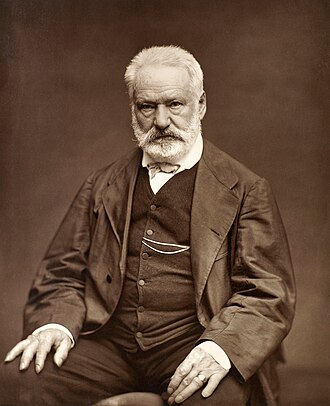
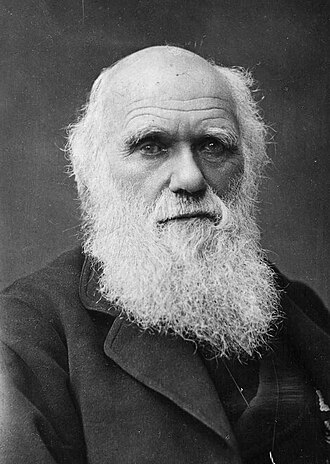
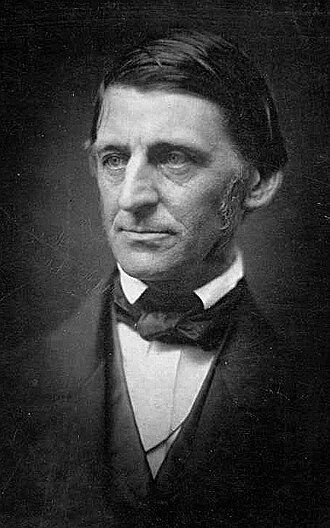
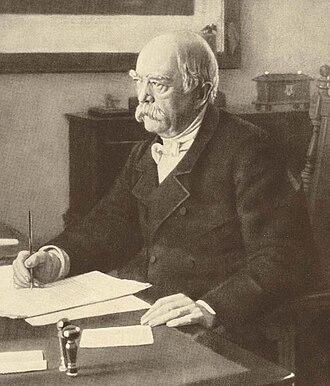
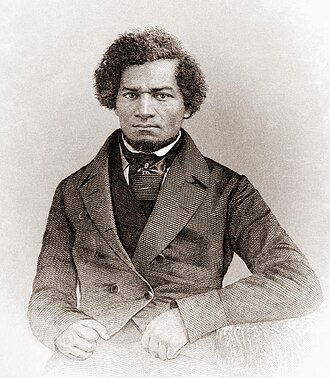
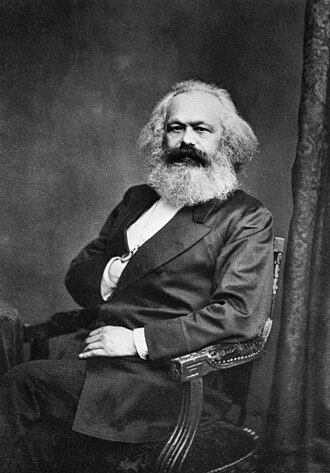
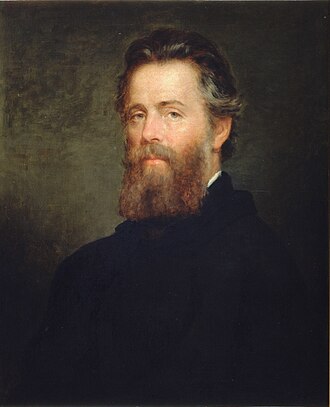
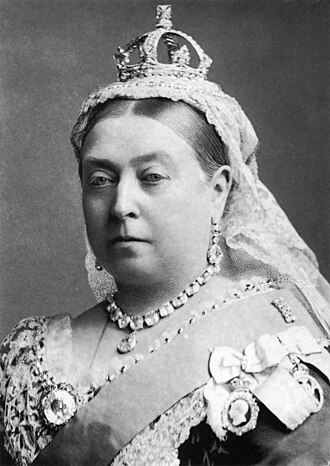
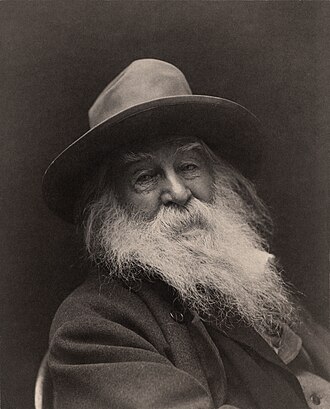
Richard Wagner's closest contemporary was Victor Hugo. Their lives overlapped for 70 years.
Sources
- Richard Wagner — Wikipedia. Text available under CC BY-SA 4.0
- Richard Wagner (Q1511) — Wikidata
- Franklin D. Roosevelt — Wikipedia
- Franklin D. Roosevelt (Q8007) — Wikidata
- Arthur Conan Doyle — Wikipedia
- Arthur Conan Doyle (Q35610) — Wikidata
- Portrait: RichardWagner.jpg — Wikimedia Commons. Franz Hanfstaengl, Public domain