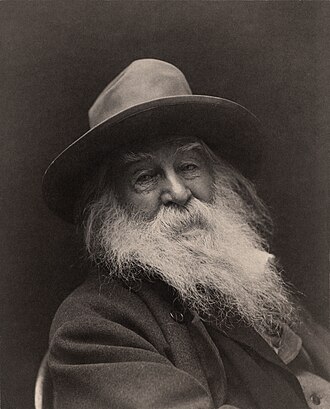
Fun Facts About Walt Whitman
- Walt Whitman was a model for Count Dracula. Bram Stoker, who corresponded with Whitman until his death, saw the poet as the quintessential male that Dracula represented.[1]
- Whitman stamped Emerson's private praise, I greet you at the beginning of a great career, in gold leaf on his book's spine without permission, giving birth to the modern cover blurb.[1]
- Whitman's first novel, Franklin Evans, was a temperance tale. He later called it damned rot and claimed he wrote it in three days, for money, while under the influence of alcohol.[1]
- O Captain! My Captain!, Whitman's poem on Lincoln's death, was the only one of his poems to appear in anthologies during his lifetime.[1][3][4]
- Whitman paid to publish the first edition of Leaves of Grass himself. Only 795 copies were printed, and no author was named on it.[1]
- Whitman's brain was donated to the American Anthropometric Society in Philadelphia after his death, but it was accidentally destroyed.[1]
- Walt Whitman was alive at the same time as Francisco Goya — their lives overlapped for 9 years (1819–1828).[1][2][5][6]
- Walt Whitman and Ludwig van Beethoven died on the same day of the year, March 26.[1][2][7][8]
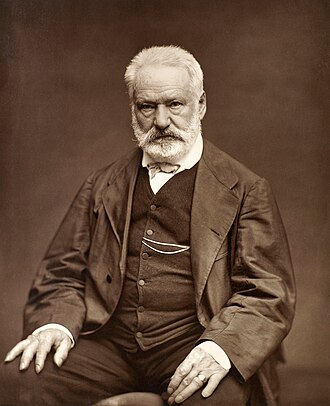
Walter Whitman Jr. was an American poet, essayist, and journalist; he also wrote two novels. He is considered one of the most influential poets in American literature and world literature. Whitman incorporated both transcendentalism and realism in his writings and is often called the father of free verse. His work was controversial in his time, particularly his 1855 poetry collection Leaves of Grass, which was described by some as obscene for its overt sensuality.[1]
Read more on Wikipedia →Contemporaries
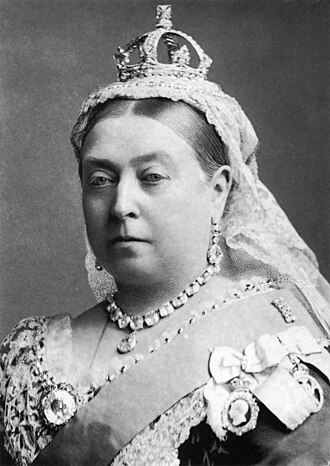
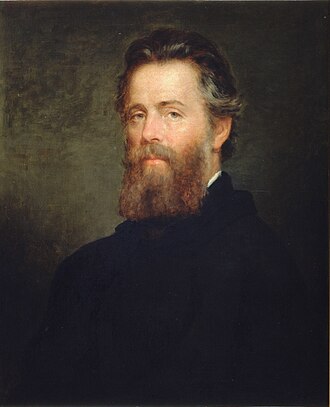
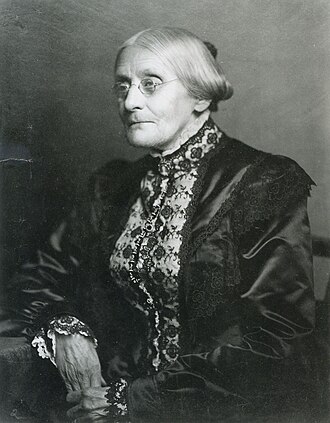
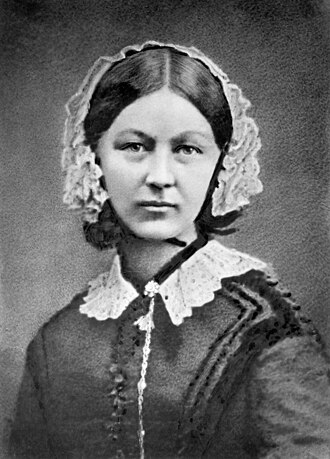
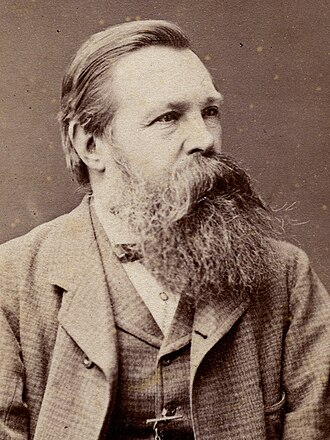
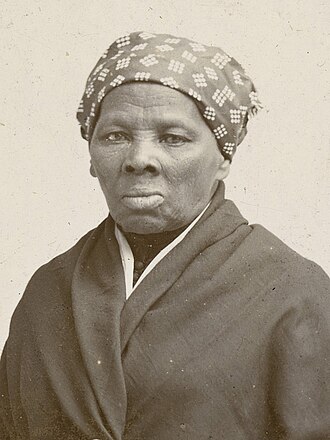
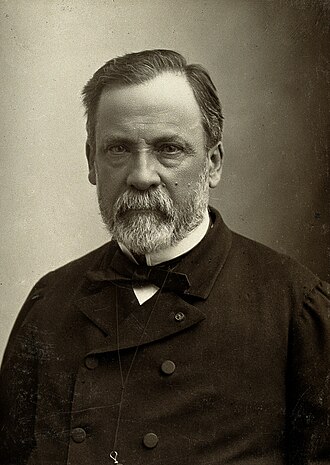
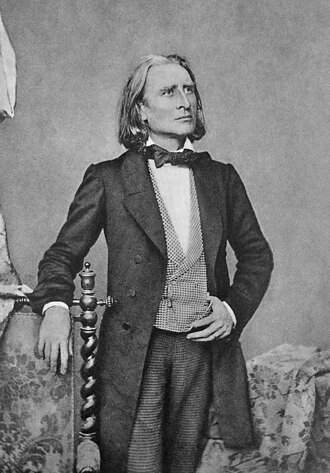
Their World
Questions About Walt Whitman
When was Walt Whitman born?
Walt Whitman was born on May 31, 1819, and died on March 26, 1892.
How old was Walt Whitman at death?
Walt Whitman was born on May 31, 1819, and died on March 26, 1892, at age 72.
What was Walt Whitman known for?
Walt Whitman was known for: Leaves of Grass, father of free verse. Walter Whitman Jr. was an American poet, essayist, and journalist; he also wrote two novels. He is considered one of the most influential poets in American literature and world literature. Whitman incorporated both transcendentalism and realism in his writings and is often called the father of free verse. His work was controversial in his time, particularly his 1855 poetry collection Leaves of Grass, which was described by some as obscene for its overt sensuality.
Who was alive at the same time as Walt Whitman?
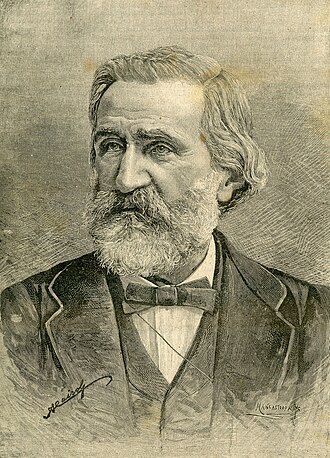
Walt Whitman's closest contemporary was Giuseppe Verdi. Their lives overlapped for 73 years.
Sources
- Walt Whitman — Wikipedia. Text available under CC BY-SA 4.0
- Walt Whitman (Q81438) — Wikidata
- Abraham Lincoln — Wikipedia
- Abraham Lincoln (Q91) — Wikidata
- Francisco Goya — Wikipedia
- Francisco Goya (Q5432) — Wikidata
- Ludwig van Beethoven — Wikipedia
- Ludwig van Beethoven (Q255) — Wikidata
- Portrait: Walt Whitman - George Collins Cox.jpg — Wikimedia Commons. George Collins Cox / Adam Cuerden, Public domain