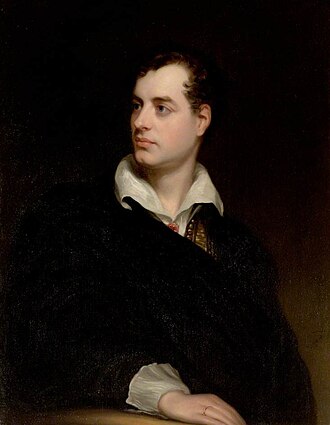
Fun Facts About Lord Byron
- Lord Byron kept a tame bear at Trinity College, Cambridge, because the rules banned pet dogs but said nothing about bears. He even suggested the bear apply for a college fellowship.[1]
- In 1810 Byron swam the Dardanelles from Europe to Asia, the first recorded notable open-water swim. The crossing is recreated every year as a swimming event.[1]
- Frankenstein was born in Byron's company: kept indoors by rain at the Villa Diodati, his group wrote tales, and Mary Shelley began Frankenstein while John Polidori wrote The Vampyre, inspired by a Byron fragment.[1][3][4]
- Byron's daughter was Ada Lovelace, who worked with Charles Babbage on the analytical engine and is seen as one of the first computer programmers. She was later buried beside her father.[1][5][6][7][8]
- Westminster Abbey refused to bury Byron because of his "questionable morality," and a memorial to him was only placed there in 1969, 145 years after his death.[1]
- While living in Venice, Byron learned the Armenian language from monks and helped produce an English-Armenian grammar.[1]
- Lord Byron was alive at the same time as Benjamin Franklin — their lives overlapped for 2 years (1788–1790).[1][2][9][10]
- Lord Byron and Charles Darwin died on the same day of the year, April 19.[1][2][11][12]
George Noel Gordon Byron, 6th Baron Byron, was a British poet. He was one of the major figures of the Romantic movement, and is regarded as being among the greatest British poets. Among his best-known works are the lengthy narratives Don Juan and Childe Harold's Pilgrimage; many of his shorter lyrics in Hebrew Melodies also became popular.[1]
Read more on Wikipedia →Contemporaries
Their World
Questions About Lord Byron
When was Lord Byron born?
Lord Byron was born on January 22, 1788, and died on April 19, 1824.
How old was Lord Byron at death?
Lord Byron was born on January 22, 1788, and died on April 19, 1824, at age 36.
What was Lord Byron known for?
Lord Byron was known for: Romantic poet of Don Juan and Childe Harold. George Noel Gordon Byron, 6th Baron Byron, was a British poet. He was one of the major figures of the Romantic movement, and is regarded as being among the greatest British poets. Among his best-known works are the lengthy narratives Don Juan and Childe Harold's Pilgrimage; many of his shorter lyrics in Hebrew Melodies also became popular.
Who was alive at the same time as Lord Byron?
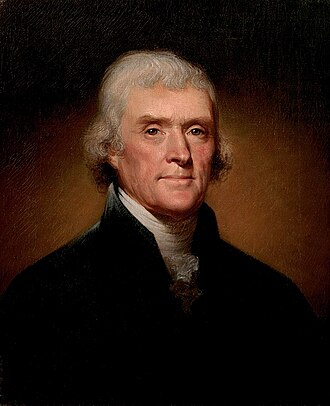
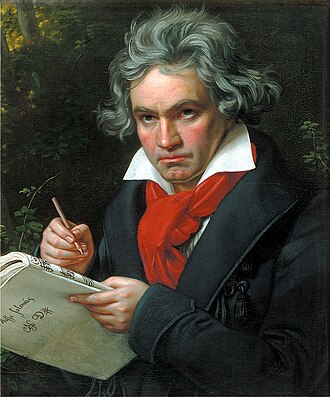
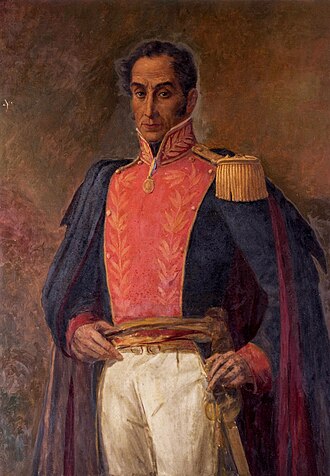
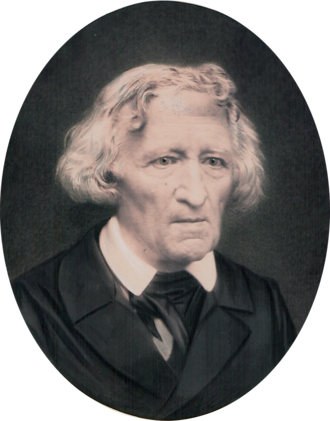
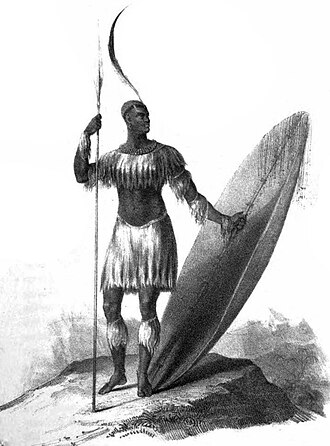
Lord Byron's closest contemporary was Thomas Jefferson. Their lives overlapped for 36 years.
Sources
- Lord Byron — Wikipedia. Text available under CC BY-SA 4.0
- Lord Byron (Q5679) — Wikidata
- Mary Shelley — Wikipedia
- Mary Shelley (Q47152) — Wikidata
- Ada Lovelace — Wikipedia
- Ada Lovelace (Q7259) — Wikidata
- Charles Babbage — Wikipedia
- Charles Babbage (Q46633) — Wikidata
- Benjamin Franklin — Wikipedia
- Benjamin Franklin (Q34969) — Wikidata
- Charles Darwin — Wikipedia
- Charles Darwin (Q1035) — Wikidata
- Portrait: Byron 1813 by Phillips.jpg — Wikimedia Commons. Thomas Phillips, Public domain