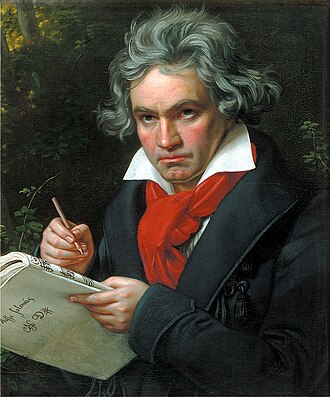
Fun Facts About Ludwig van Beethoven
- Ludwig van Beethoven's father, hoping for a child prodigy like Mozart, advertised him as six years old at his first public performance. He was actually seven.[1][3][4]
- Beethoven first titled his Third Symphony "Bonaparte," but when Napoleon declared himself Emperor, Beethoven scratched his name from the title page. It became the Eroica.[1][5][6]
- At the 1824 premiere of the Ninth Symphony, the contralto Caroline Unger turned Beethoven around so he could see the applause he could not hear.[1]
- In 1812 Beethoven wrote a ten-page love letter to his "Immortal Beloved" and never sent it.[1]
- After meeting Beethoven in 1812, Goethe wrote that his talent amazed him but that he was "an utterly untamed personality" who found the world detestable.[1]
- An estimated 10,000 people attended Beethoven's funeral procession in Vienna, and Franz Schubert was one of the torchbearers.[1]
- Beethoven dedicated his Third Symphony to Napoleon, then withdrew it after Napoleon made himself emperor.[1][2][5][6]
- Ludwig van Beethoven was alive at the same time as Voltaire — their lives overlapped for 8 years (1770–1778).[1][2][7][8]
Ludwig van Beethoven was a German composer and pianist. He is one of the greatest composers in the history of classical music, and his symphonies redefined the medium for later musicians.[1]
Read more on Wikipedia →Contemporaries
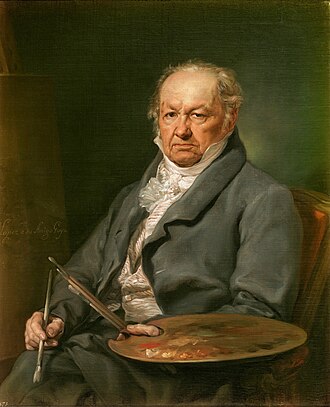
Francisco Goya
57 yr overlap
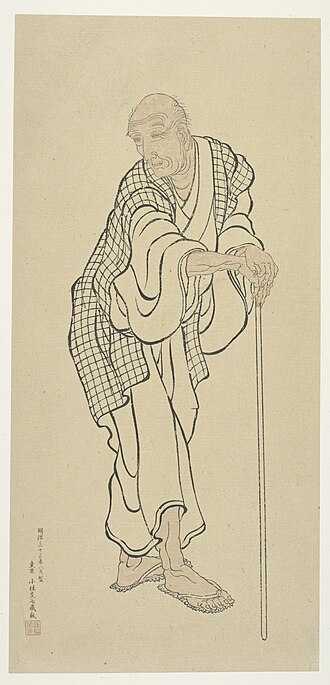
Hokusai
57 yr overlap
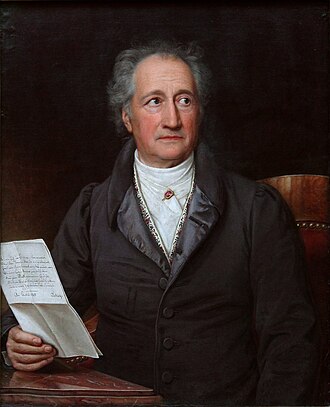
Johann Wolfgang von Goethe
57 yr overlap
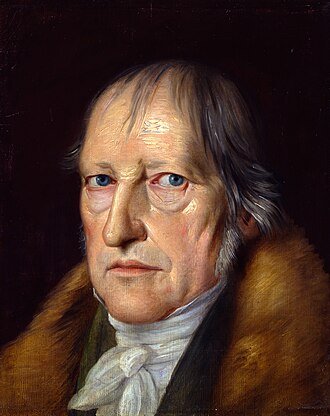
Georg Wilhelm Friedrich Hegel
57 yr overlap
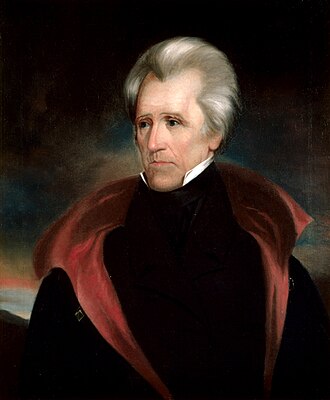
Andrew Jackson
57 yr overlap
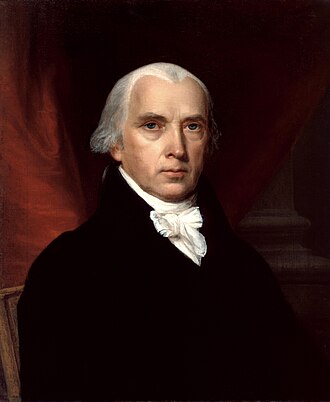
James Madison
57 yr overlap
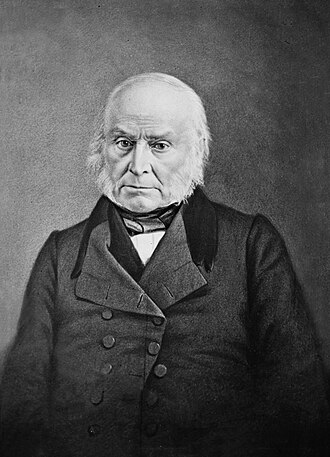
John Quincy Adams
57 yr overlap
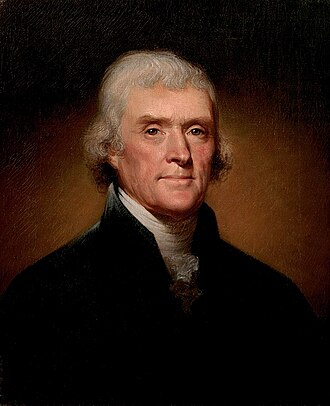
Thomas Jefferson
56 yr overlap
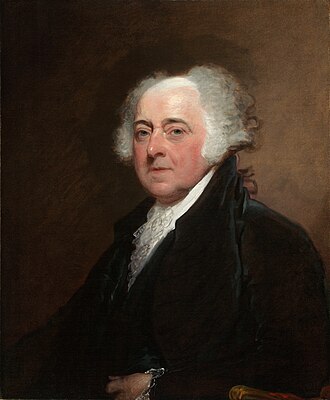
John Adams
56 yr overlap
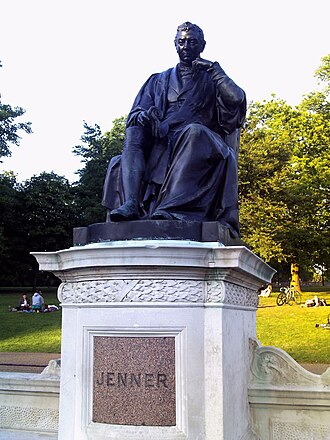
Edward Jenner
53 yr overlap
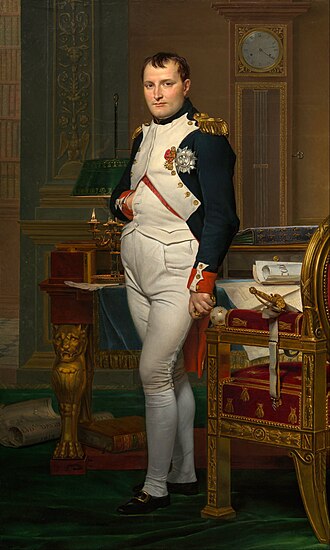
Napoleon Bonaparte
51 yr overlap
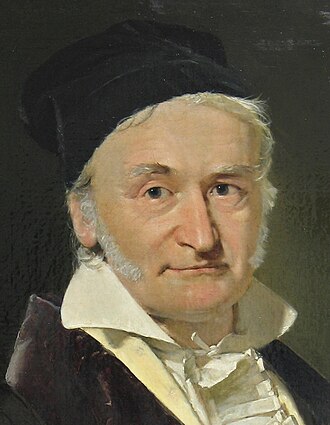
Carl Friedrich Gauss
50 yr overlap
Their World
Global Events
1805 Battle of Trafalgar
In Their Field
Questions About Ludwig van Beethoven
When was Ludwig van Beethoven born?
Ludwig van Beethoven was born on December 17, 1770, and died on March 26, 1827.
How old was Ludwig van Beethoven at death?
Ludwig van Beethoven was born on December 17, 1770, and died on March 26, 1827, at age 56.
What was Ludwig van Beethoven known for?
Ludwig van Beethoven was known for: Symphonies composed while going deaf. Ludwig van Beethoven was a German composer and pianist. He is one of the greatest composers in the history of classical music, and his symphonies redefined the medium for later musicians.
Who was alive at the same time as Ludwig van Beethoven?
Ludwig van Beethoven's closest contemporary was Francisco Goya. Their lives overlapped for 57 years.
Sources
- Ludwig van Beethoven — Wikipedia. Text available under CC BY-SA 4.0
- Ludwig van Beethoven (Q255) — Wikidata
- Wolfgang Amadeus Mozart — Wikipedia
- Wolfgang Amadeus Mozart (Q254) — Wikidata
- Napoleon — Wikipedia
- Napoleon Bonaparte (Q517) — Wikidata
- Voltaire — Wikipedia
- Voltaire (Q9068) — Wikidata
- Portrait: Beethoven.jpg — Wikimedia Commons. Joseph Karl Stieler, Public domain