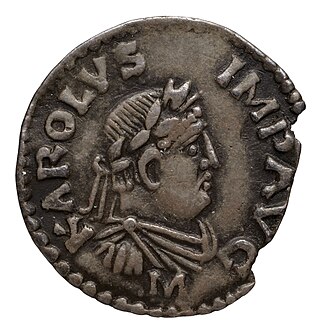
Fun Facts About Charlemagne
- Charlemagne asked the Abbasid caliph Harun al-Rashid for an elephant as a sign of friendship. The elephant, named Abul-Abbas, arrived at Aachen in 802.[1]
- Charlemagne's Latin name, Karolus, became the Slavic word for "king": korol' in Russian and król in Polish.[1]
- Charlemagne may never have fully mastered reading, one medievalist argues, and the chronicler Einhard records that he only attempted to learn to write later in life.[1]
- Charlemagne was crowned emperor by Pope Leo III on Christmas Day 800. Einhard claimed he would not have entered the church had he known of the pope's plan, but historians debate this.[1]
- Since 1949, the city of Aachen, Charlemagne's capital, has awarded an international prize in his honor, the Karlspreis.[1]
- Charlemagne was an ancestor of several European ruling houses, including the Capetian and Ottonian dynasties.[1]
- Charlemagne was born just over a century after Muhammad died.[1][2][3][4]
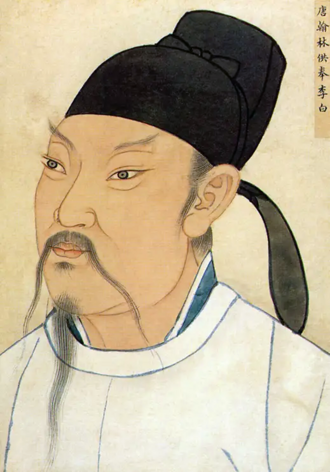
- Charlemagne was alive at the same time as Li Bai — their lives overlapped for 14 years (748–762).[1][2][5][6]
Charlemagne was King of the Franks from 768, King of the Lombards from 774, and Emperor of what is now known as the Carolingian Empire from 800. He united most of Western and Central Europe and was the first recognised emperor to rule from the west after the fall of the Western Roman Empire approximately three centuries earlier. Charlemagne's reign was marked by political and social changes that had lasting influence on Europe throughout the Middle Ages.[1]
Read more on Wikipedia →Contemporaries
Questions About Charlemagne
When was Charlemagne born?
Charlemagne was born on April 2, 748, and died on January 28, 814.
How old was Charlemagne at death?
Charlemagne was born on April 2, 748, and died on January 28, 814, at age 65.
What was Charlemagne known for?
Charlemagne was known for: Father of Europe, crowned Emperor of the Romans in 800. Charlemagne was King of the Franks from 768, King of the Lombards from 774, and Emperor of what is now known as the Carolingian Empire from 800. He united most of Western and Central Europe and was the first recognised emperor to rule from the west after the fall of the Western Roman Empire approximately three centuries earlier. Charlemagne's reign was marked by political and social changes that had lasting influence on Europe throughout the Middle Ages.
Who was alive at the same time as Charlemagne?
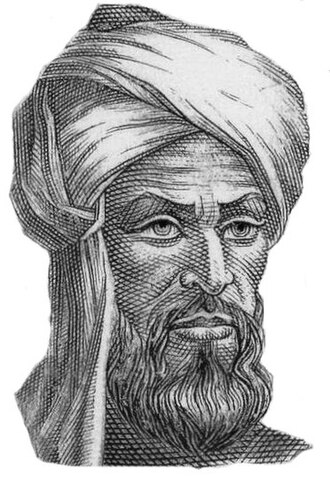
Charlemagne's closest contemporary was Al-Khwarizmi. Their lives overlapped for 34 years.
Sources
- Charlemagne — Wikipedia. Text available under CC BY-SA 4.0
- Charlemagne (Q3044) — Wikidata
- Muhammad — Wikipedia
- Muhammad (Q9458) — Wikidata
- Li Bai — Wikipedia
- Li Bai (Q7071) — Wikidata
- Portrait: Charlemagne denier Mayence 812 814.jpg — Wikimedia Commons. Charlemagne. Autorité émettrice de monnaie indéterminé. Atelier monétaire. Émetteur, Public domain